Look up!

Featured

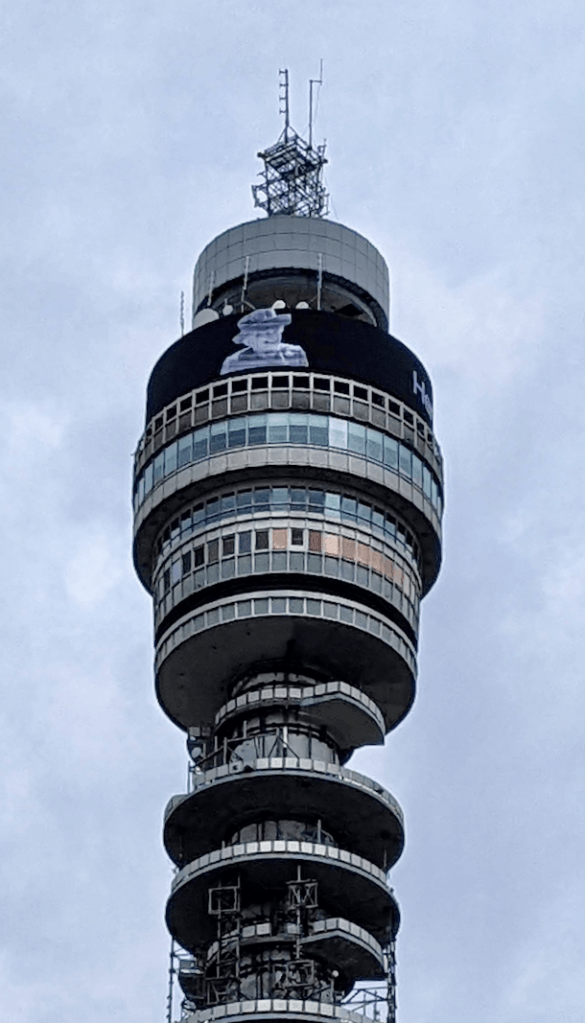
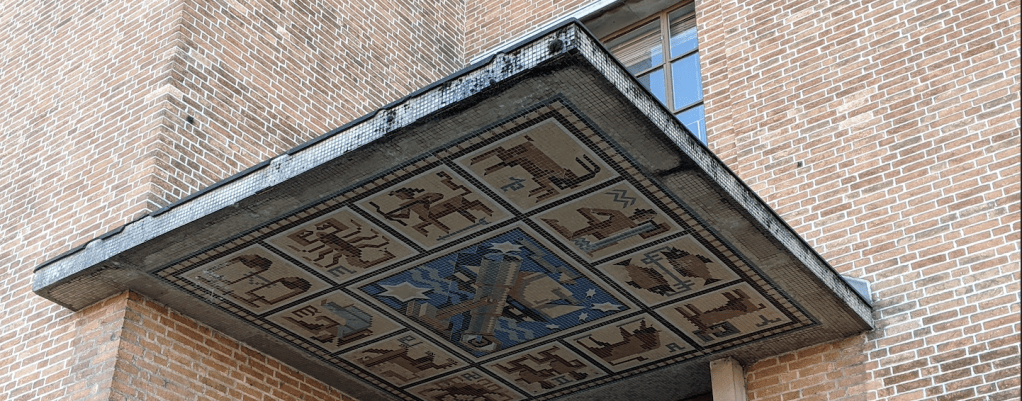
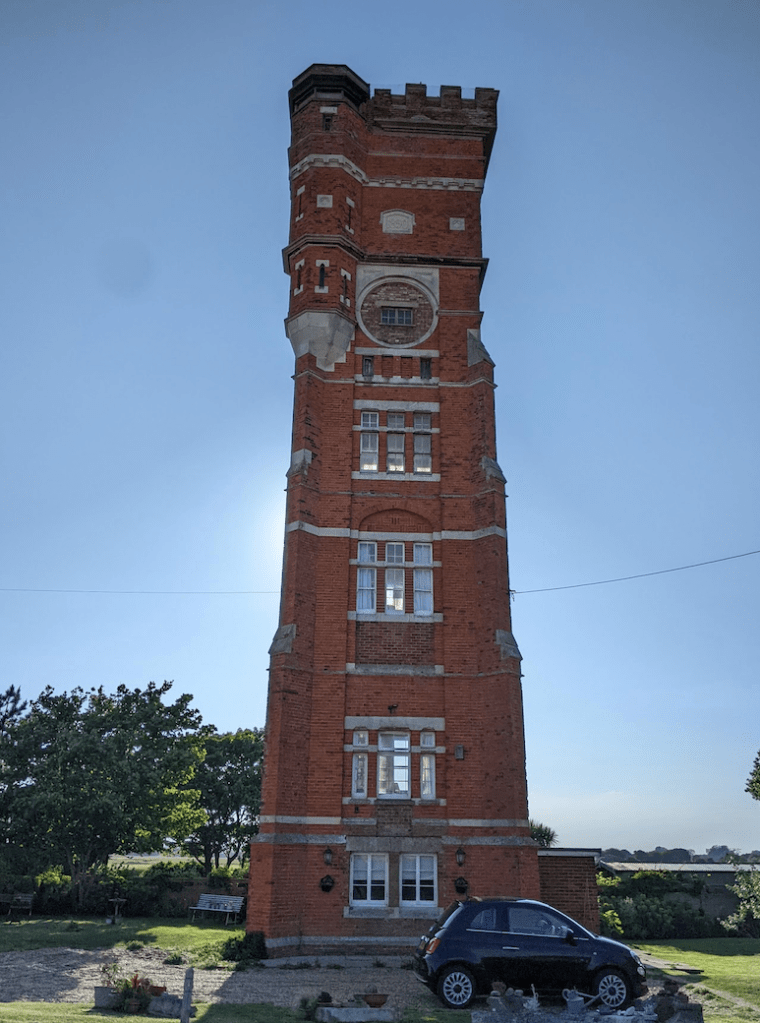
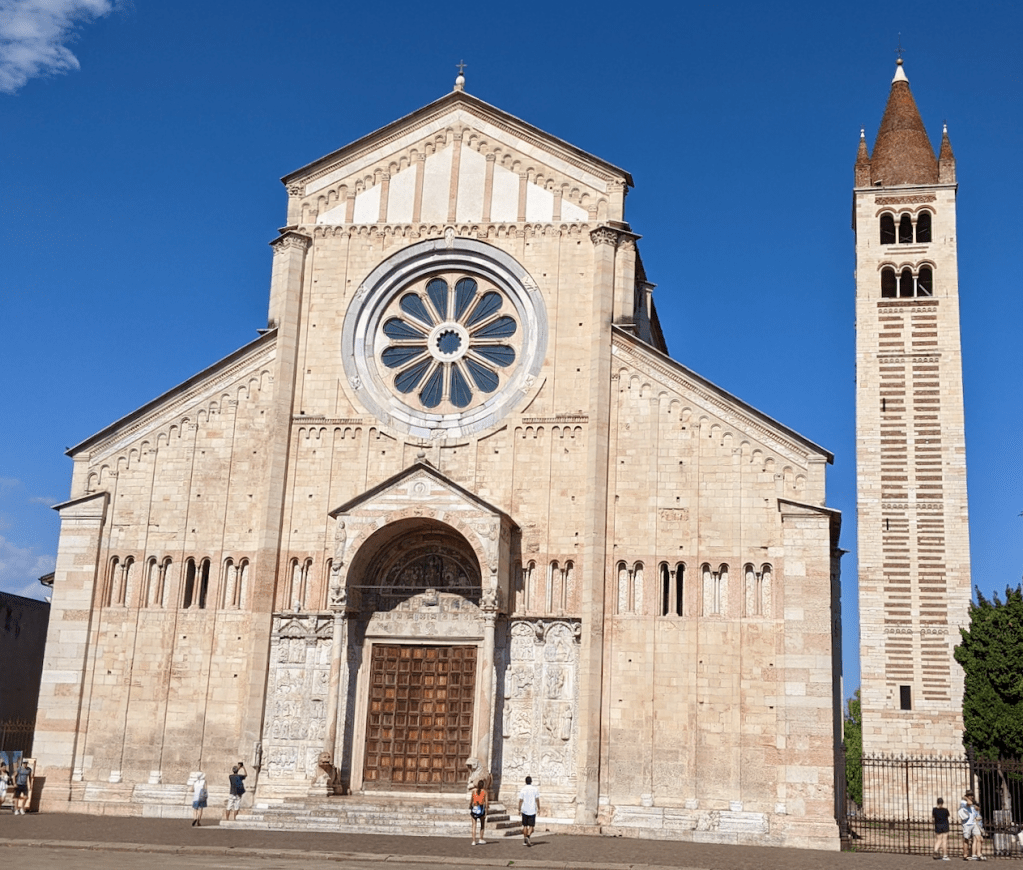
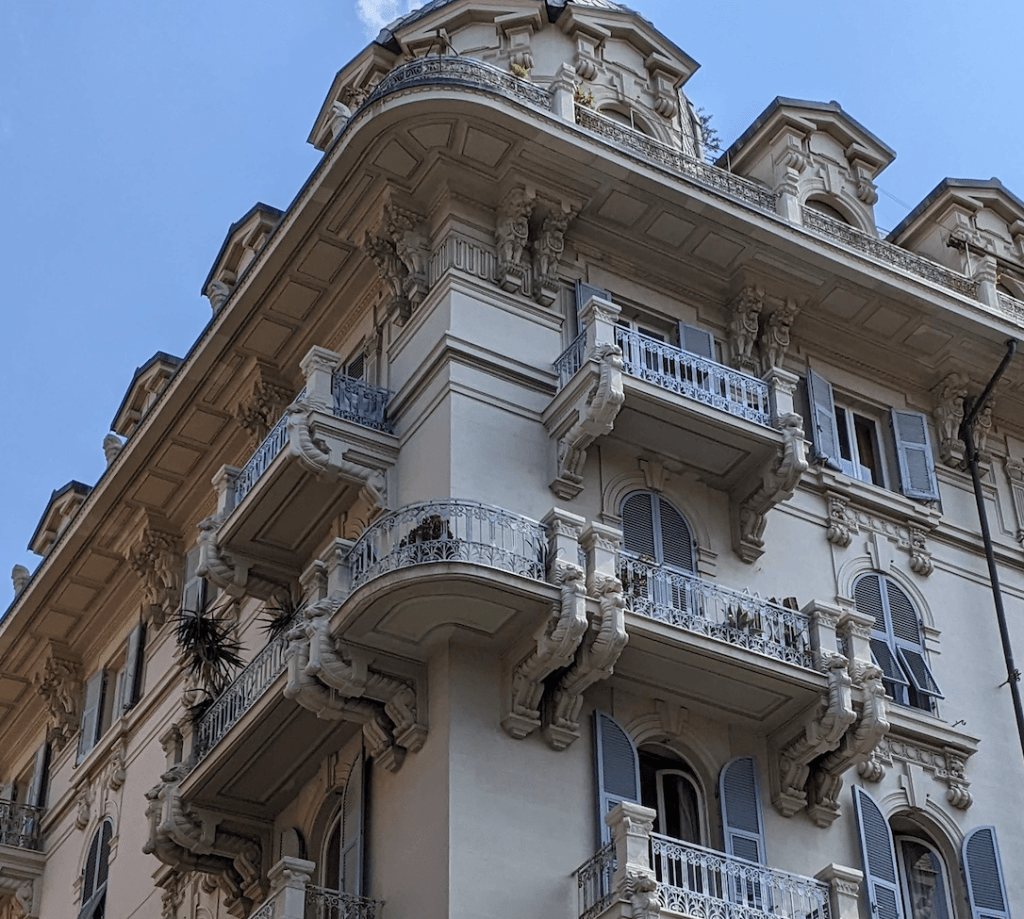
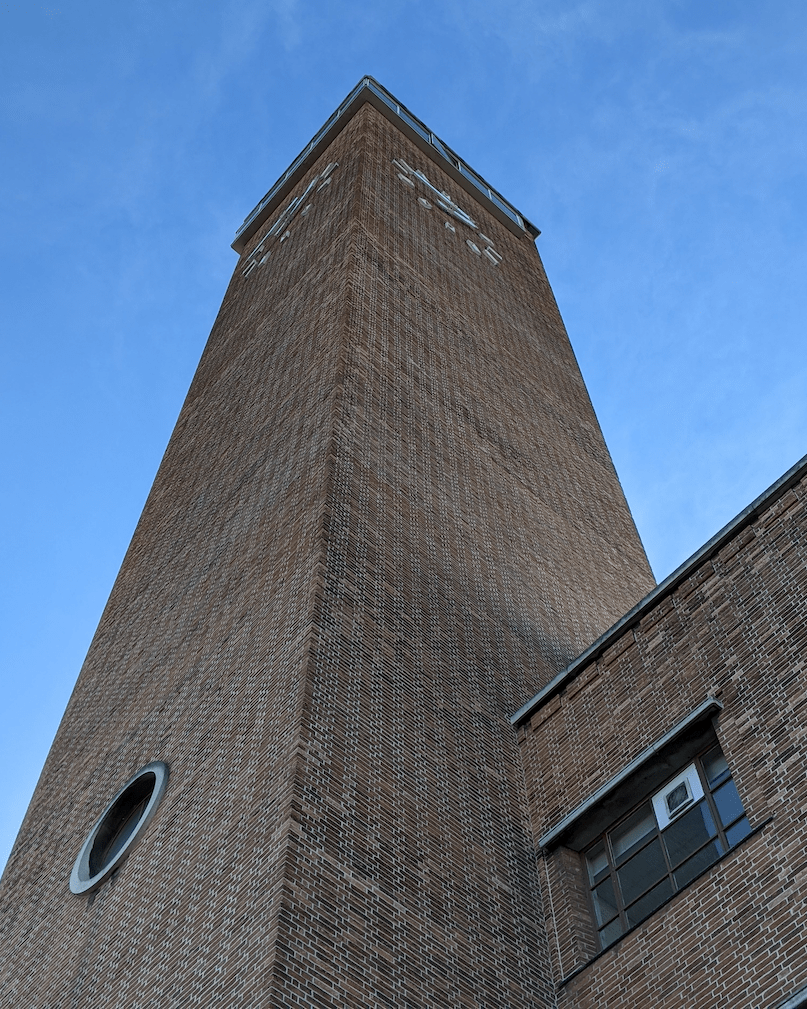
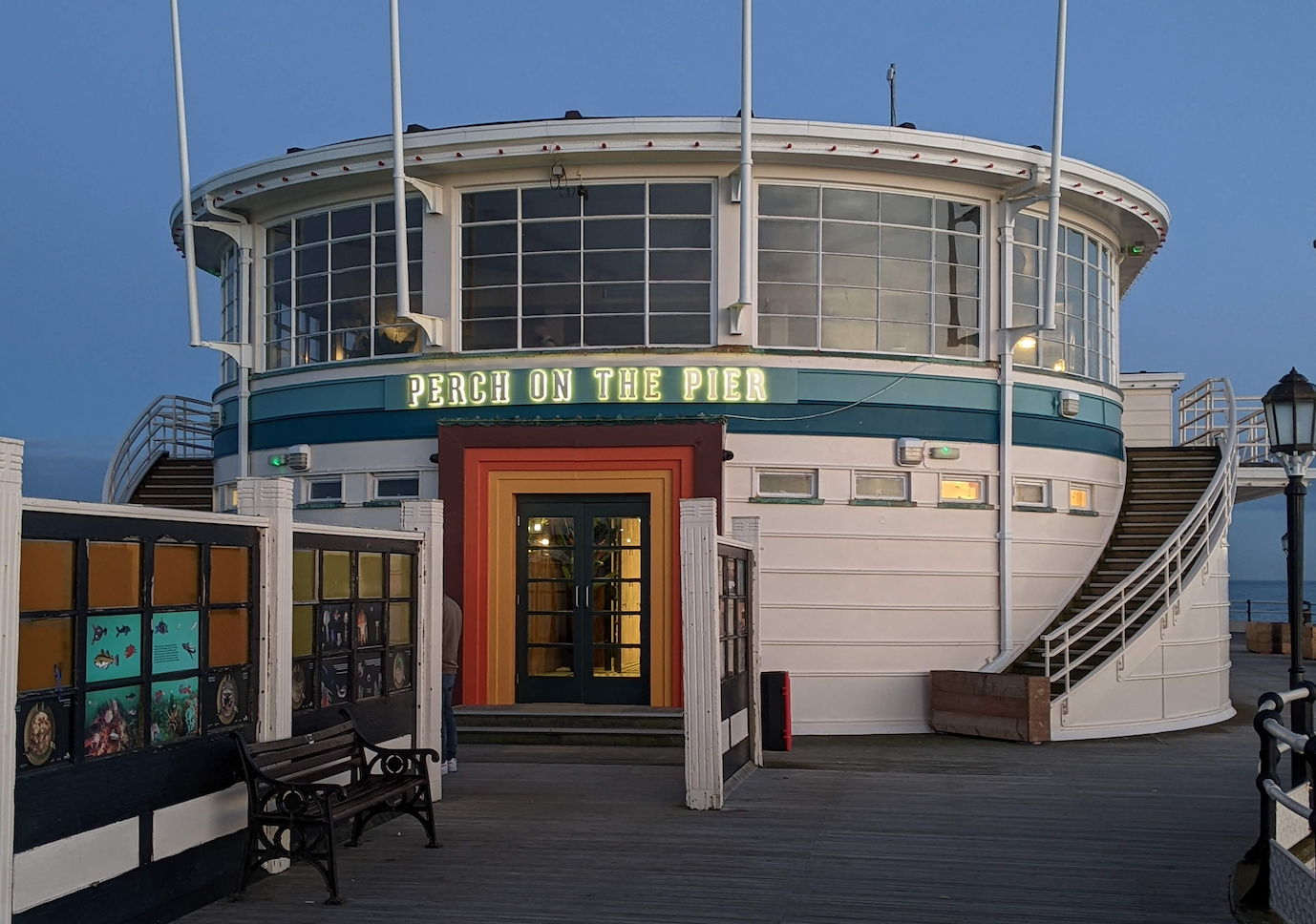
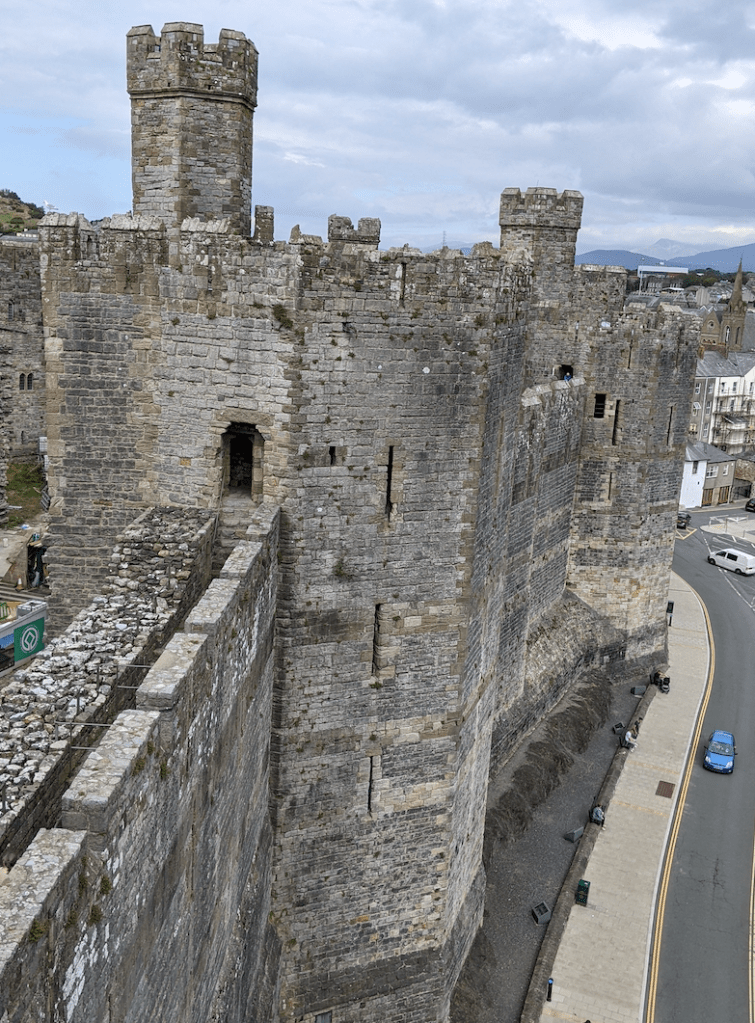
Last year didn’t quite go to plan. This year it’s been full steam ahead with road trips to France, Wales and Italy so far. This post is a reminder of some of the W O N D E R F U L buildings I have encountered this year to date.

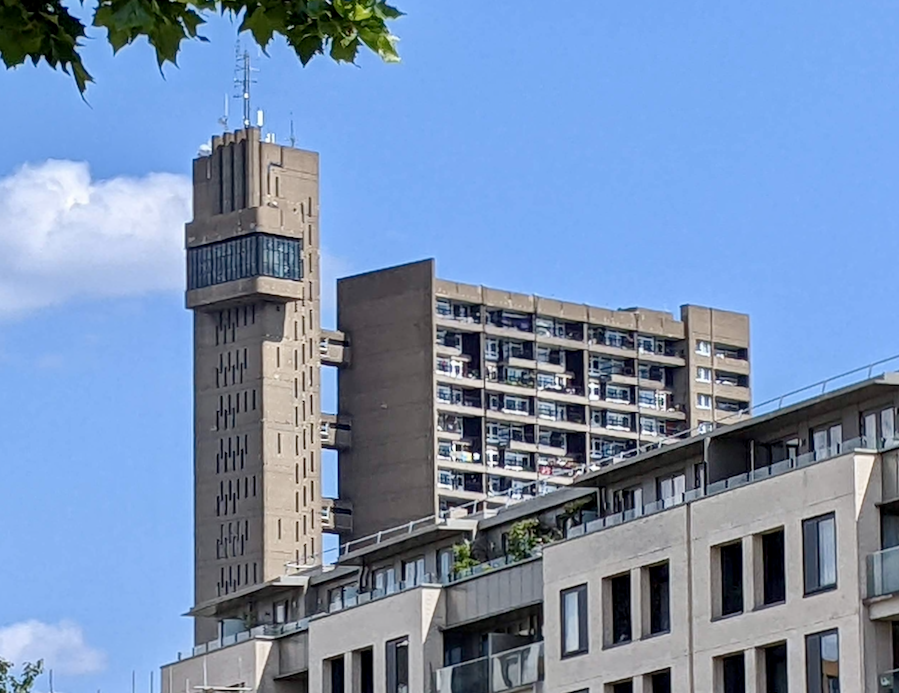
Last 4 photos from top left – anticlockwise: Trellick Tower, London; Amboise Castle, France; Penshurst Place; White House, Mackenzie Road, Thetford, Norfolk.

Cityscape Ceramics

Featured

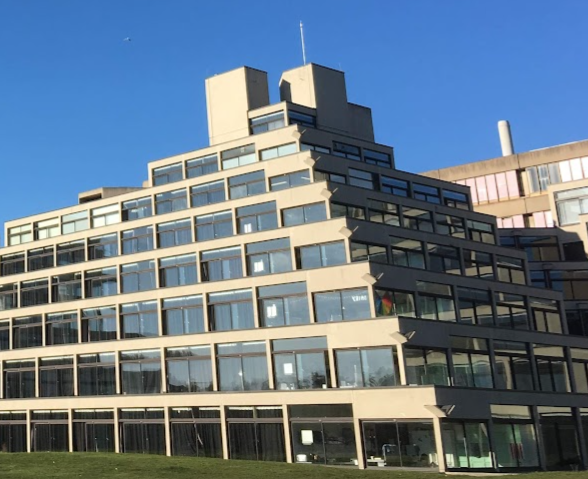
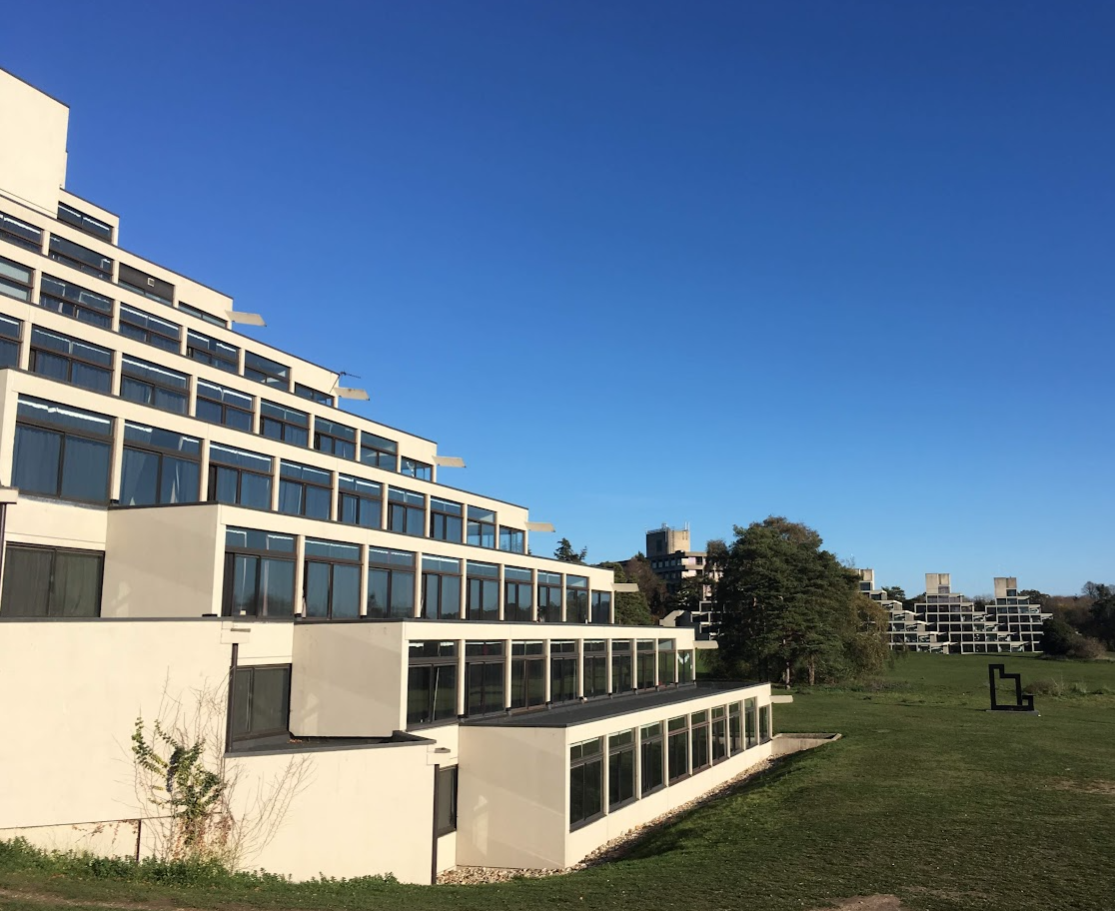
Open House events are a great opportunity to discover the work of local artists. This is where I came across Emma Johnson, a Brighton-based ceramicist and designer who works with clay and wood to create architecture-inspired ceramic goods. Her work harks back to the concrete buildings and tower blocks that we refer to as brutalist architecture. Post-war Britain was on a mission to reconstruct its urban centres and swathes of brutalist, low-cost social housing and municipal buildings were erected in the 1950s to meet demand. Prominent examples of the brutalist movement include the concrete tower blocks at London’s Barbican Estate, the new Coventry Cathedral, as well as the University of East Anglia in Norwich. 

UEA pyramid, Norwich
East Croydon apartments
UEA pyramids, Norwich

Although concrete buildings are rarely praised, there are some jaw-dropping examples around the world, notably in the US and in the former Eastern Bloc. It’s the layering of balconies, windows and unusual curves and angles that create the wow factor, leaving the bystander to look up in in awe. 

Johnson’s ceramic creations are more like architecture: thoughtful, repeated functional forms designed for everyday use in the home. They are minimalist, elegant, and satisfying to hold and look great stacked up like miniature tower blocks. The colours are also based on the trends of the time.

I’ve been an avid admirer of Johnson’s work and always look out for her updates on instagram.

Useful links for further information below:

Instagram: https://www.instagram.com/emmajohnsonceramics/?hl=en

Youtube: https://www.youtube.com/watch?v=In-W9IruQ9Y

Denge Sound Mirrors

Featured

Hidden away in a former sand and gravel pit-turned nature reserve

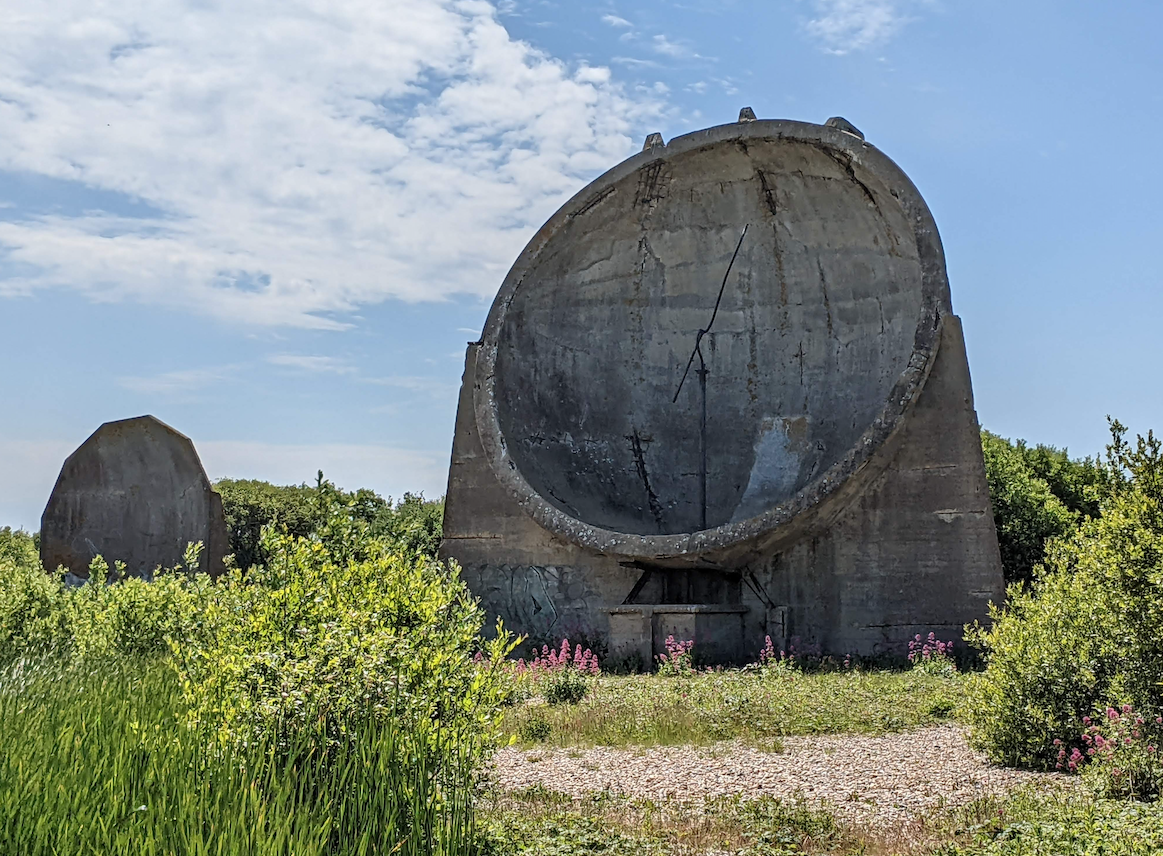
The Denge Sound Mirrors (also known as the Acoustic Mirrors or Listening Ears) are actually three concrete structures in total that vary in size from 20 to 200 feet.

I owe this post to British comedian Vic Reeves (real name Jim Moir) who shared one of his favourite walks on BBC Four earlier this year. I have to sit up and pay close attention when he’s on TV because his sense of humour takes you on quite the cerebral journey so I knew his walk would offer more than the usual birds, bees and Kent coastal path. As expected, he turned his back on the idyllic sandy coastline and ventured inland, behind rows of bungalows, down an alley, then under a small underpass into the oasis of calm that is Laden Pits nature reserve. Venture in and walk to the end of the pebble stone path till you reach the river bank. Straight ahead on a small island are 3 alien-like concrete structures seemingly looking back, looming over you. The most interesting of the 3 looks like a decaying satellite antenna for secret communication with extra terrestrials! Certainly reminiscent of Soviet architecture. The tranquility of this spot makes them all the more eerie and intimidating. I’m glad I wasn’t alone.

The structures were designed to function together as an early warning system to pick up the sounds of approaching enemy aircraft from across the English Channel. Radar was invented shortly afterwards and so these novel sound mirrors became redundant and were abandoned for nature to reclaim the land at its whim.

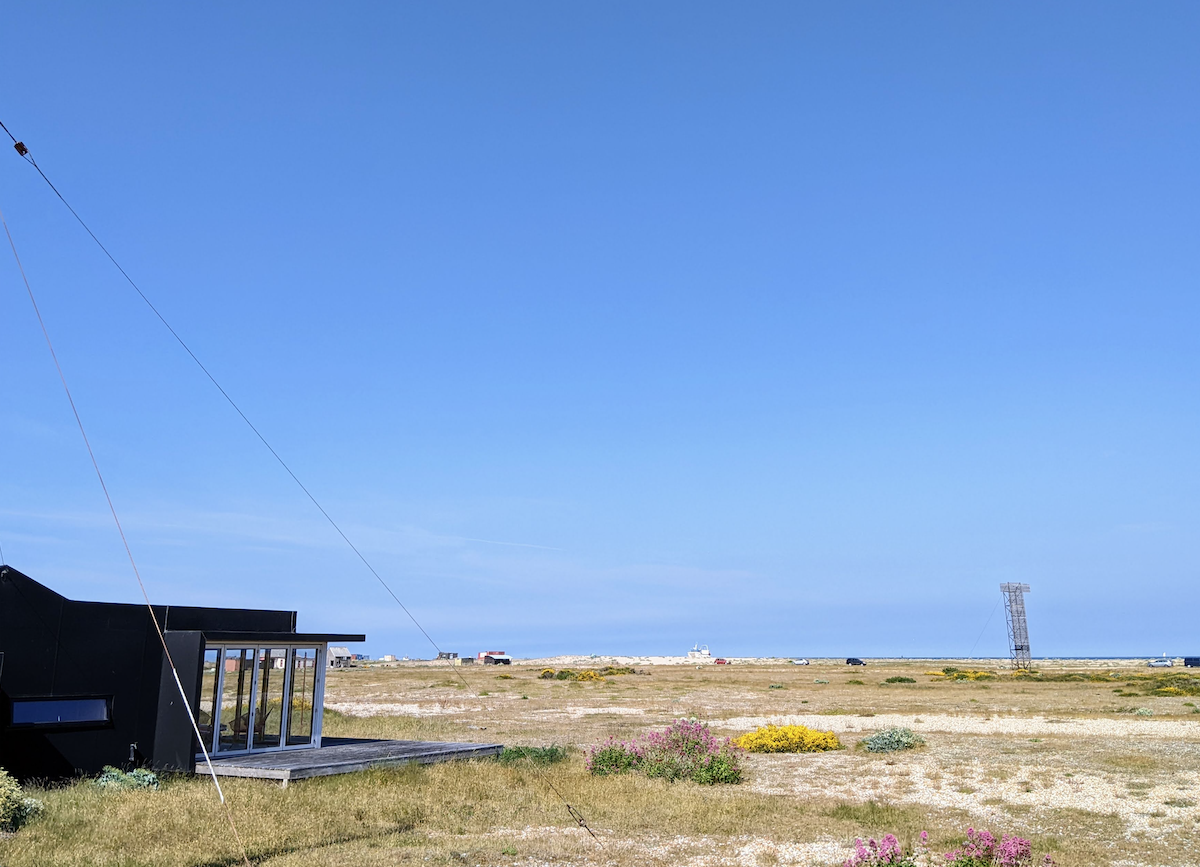
This walk returns to the coast and concludes at Dungeness with its lighthouses and conservation area. Simultaneously bleak and beautiful, this headland has become prime real estate and the new self-builds have arrived on the scene. They’ve done a good job though, it still feels very off-grid and they only add to the intrigue.

Early Inspiration

screen-shot-2016-11-01-at-15-02-01

Like many kids in the ’80s, I was free to wander fairly far from home and was often disappearing off to a friend’s house to play. At the tender age of six, I learned that friends from Mackenzie Road were very lucky indeed. They were the offspring of doctors, teachers, craftsmen, American and Belgian businessmen, engineers, estate agents and local entrepreneurs. Their relative affluence afforded them small luxuries that were exotic to me and doubtless started this insatiable fascination of all things foreign, original, and quirky.
1

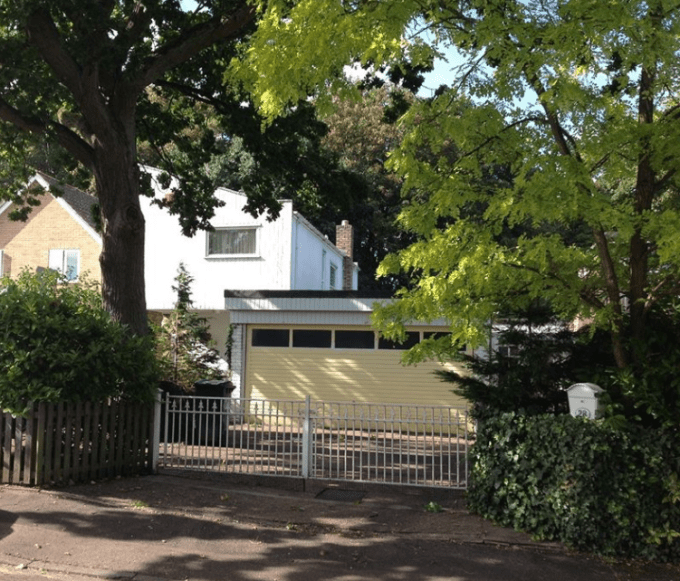
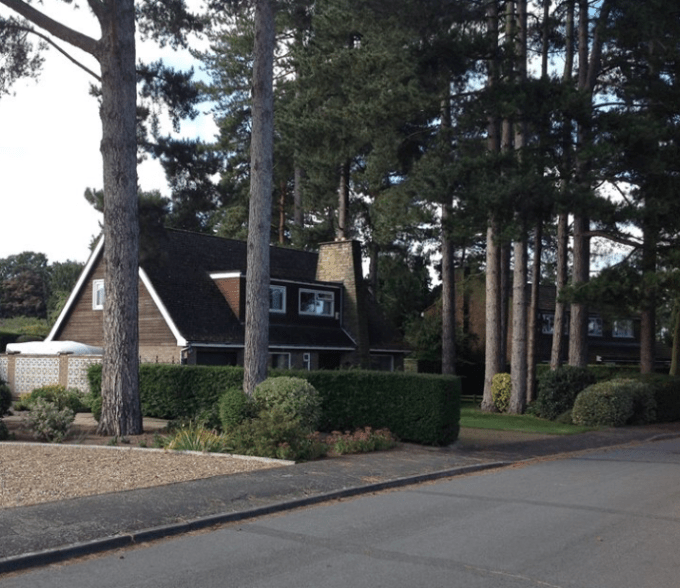
A walk up their street was a lesson in house design that filled me with ideas and aspirations for the future. Far from the uniformity of the beige, terraced council blocks that the rest of us lived in, the comfortably-off occupants of these angular homes had double garages, piano lessons, an outdoor pool, double-glazed sliding doors, extra rooms, a backyard big enough for a proper game of rounders, and award ceremony-style staircases that were almost as grand as something out of Dynasty (my reference for grandeur at the time). Old friends moved out and moved on, but I still enjoy a walk up the street and past the pines up to the white rectangular house with the yellow garage door. If the For Sale sign goes up here again in the next few years I might just be tempted…

3


Typically British

Image

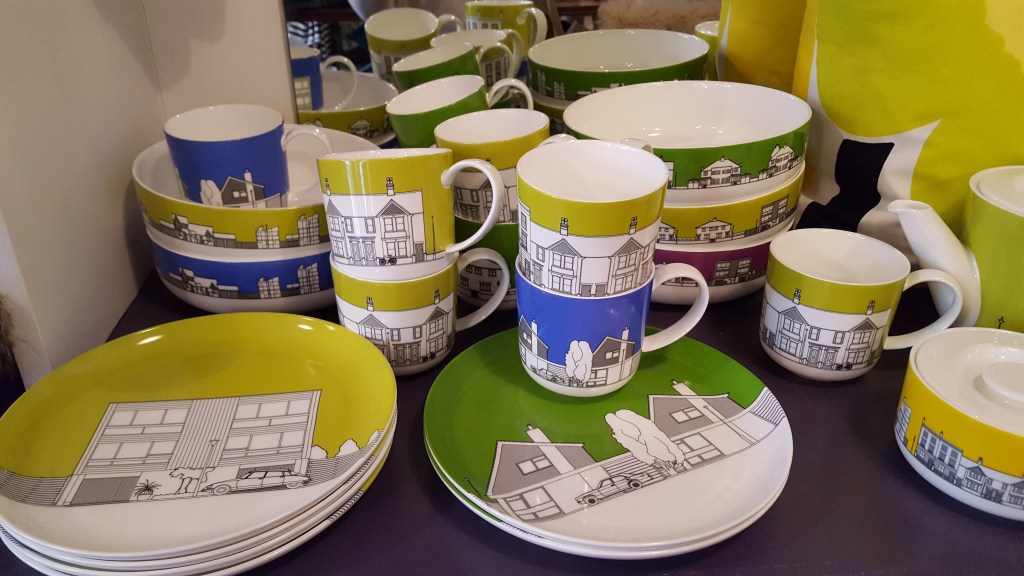
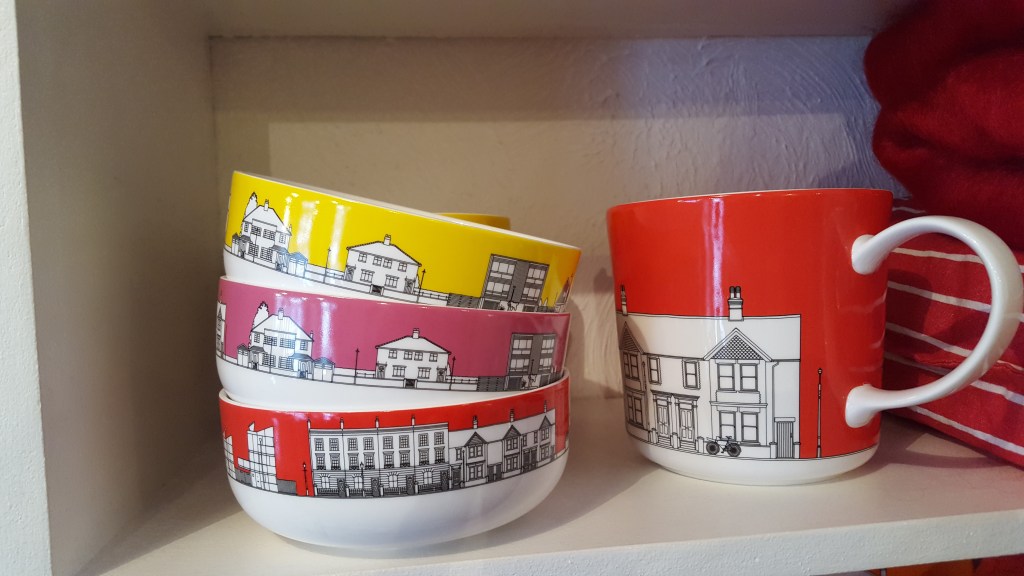
Like plates? Love typically British houses? Then you’ll love the Eclectic Avenue range by People Will Always Need Plates: https://www.peoplewillalwaysneedplates.co.uk/

Not only do I love the fact that they christened themselves after the popular BT ads starring Maureen Lipman, but they included one of my favourite eras of British house construction in the collection. Where else can you see art deco and 1970’s houses used as a decorative theme? I spotted this fun crockery set in an independent shop in Lewes and couldn’t leave without getting a couple of items from the collection. 

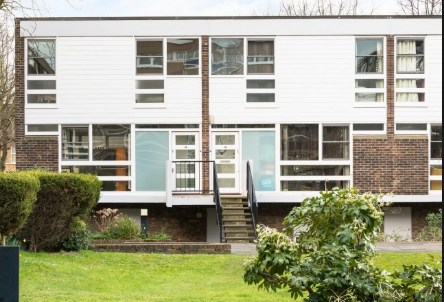
British homes have been at the forefront of my mind this year. I thought we were getting closer to the completion date on our first seaside home, a 1960’s bungalow in Worthing. As fate would have it, the chain faltered just as some very quirky homes came onto the market. If all goes to plan, we’ll soon be the proud owners of a 1960’s Span-style terraced house instead. Many towns have similar-looking estates based on the same design principles and the “Span house” has its place in our everyday architectural history.

screen-shot-2016-10-02-at-21-22-44

The Span house (above) takes its rightful place in Eclectic Avenue

Saxon Sompting

Seeing churches as you travel through town and country can be like poster blindness: there are so many, they might as well all blur into one most of the time. St Mary’s Church in Sompting has a roof that stands out on the horizon, not just for its height but for its strangeness. It’s an oddity in our landscape with such a helm. It’s certainly unique in England – the only one of its kind here. The ‘Rhenish’ helm on top of the tower takes its name from the Rheinland area of  Germany where the style is typical for the region. So, what’s it doing here in Sussex? It’s the work of our Saxon ancestors and somehow has miraculously survived 1000 years of English weather and a tumultuous history. Not all of it is still standing but the good news is that, what we have left in Sompting are the remains of a 10th century Saxon tower, complete with rustically decorated archway, and a few  other remnants from the time integrated into the church walls. That’s more than I expected. What a find! We really are so very lucky that this wonderful example of Saxon architecture still exists, and even luckier that the caretakers keep the doors open so I was able to look around on my own and discover this 1000-year old treasure. Wonderful! 

Not ‘Boring Goring’

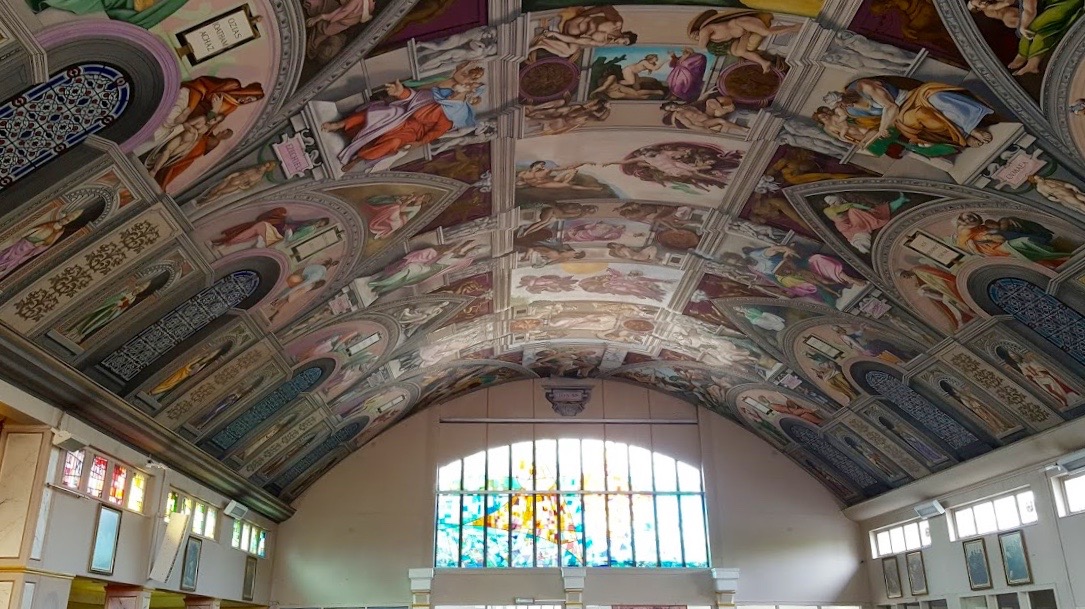
A sedate neighbourhood in Worthing never had any great claim to fame until relatively recently. In 1993, Gary Bevans, a local artist and signwriter, completed this astonishing replica of the Sistine Chapel ceiling at English Martyrs Church in Goring-by-Sea.

5

From the outside it’s not obvious that the building itself is a church, let alone that its brick walls conceal the world’s only known copy of Michelangelo’s famous ceiling. Although the pope is yet to pay a visit, many well-read tourists have come through its doors, some by the coachload. It’s even listed on Trip Advisor as a must-see for the area. But, as is often the case with wonders like this, locals who live just yards away remain none the wiser…

3

1Photos: August 2016     https://english-martyrs.co.uk/our-church/visiting-us/sistine-chapel-ceiling/

Arabesque Apertures

Interior

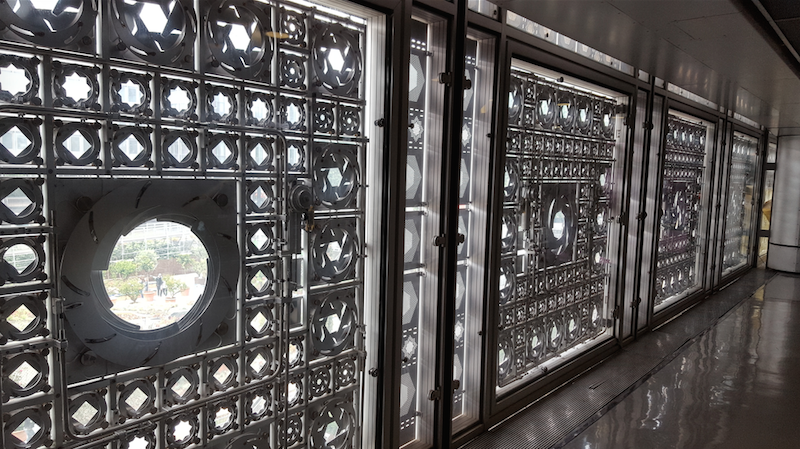
It’s a bit out on a limb, but well worth the effort to get there. You’ve never seen anything quite like the Institut du Monde Arabe in Paris. A stone’s throw from Jussieu metro station, its south facade is a showstopper. Thirty thousand metallic apertures form walls and windows that react to the sunlight all day long, dilating or contracting to let only a gentle light sift through to the inside world. It’s free to enter, so I went straight to the 9th floor restaurant and nabbed a window seat,  calmly sipping mint tea and watching the apertures whirr and mesh into position every few minutes. Shapes morphed, patterns emerged, just like a kaleidoscope. What an innovative way to recreate the beautiful arabesques that we associate with the region.

http://www.imarabe.org/preparer-ma-visite/informations-pratiques/acces

St Olaf House

Head Office Olaf

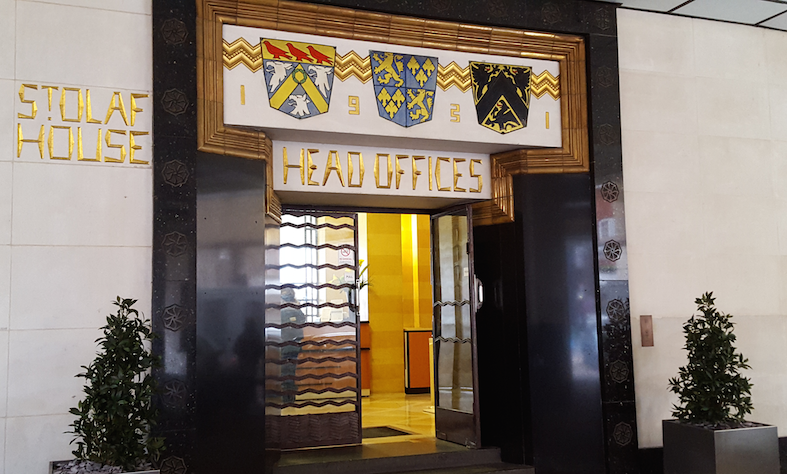
A trip to the doctors near London Bridge station was far more entertaining than I thought it would be. Next to the hospital is St Olaf House, completed in 1931 by English architect Goodhart-Rendel. The closer you get, the better it looks as colours and decorative details emerge: a cartoon-like representation of King Olave, gold leaf lettering, coats of arms, and lush black marble. The zigzag pattern on and above the main door remind me of the geometric patterns you find on Norman architecture. I wonder if that was the idea? Once through the front door, you’re definitely in the 1930s, looking at wood-panelled lifts and a quirky, brushed aluminium bannister. This place is so extraordinary close-up and yet I must have passed it umpteen times before without noticing it. Too busy dodging commuters and running away from noisy ambulances, no doubt.

Screen Shot 2016-02-11 at 18.10.54
      (Taken February 2016 at St Olaf House, Tooley Street, London Bridge)

Upnor or Upnør?

20160115_115655

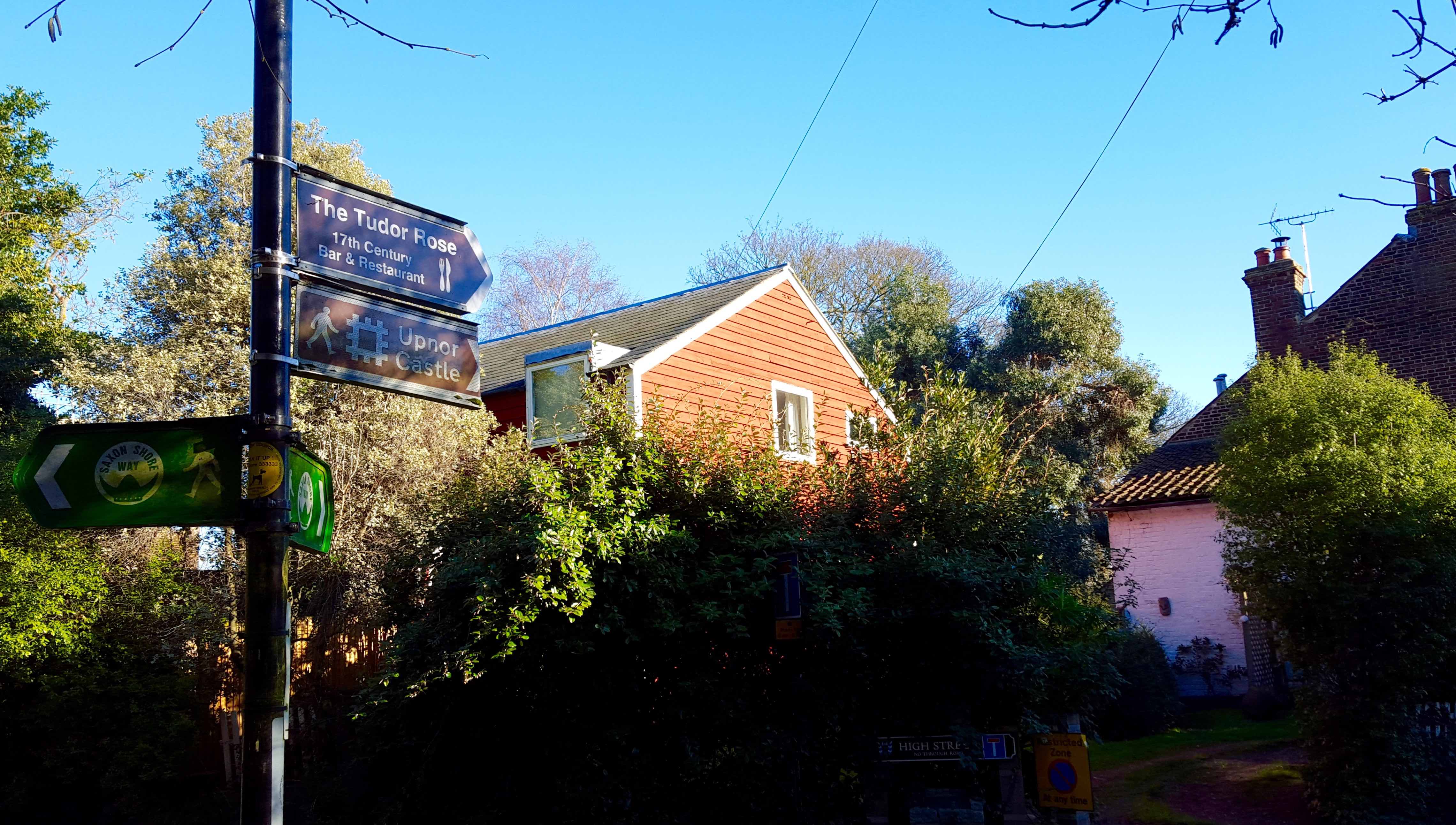
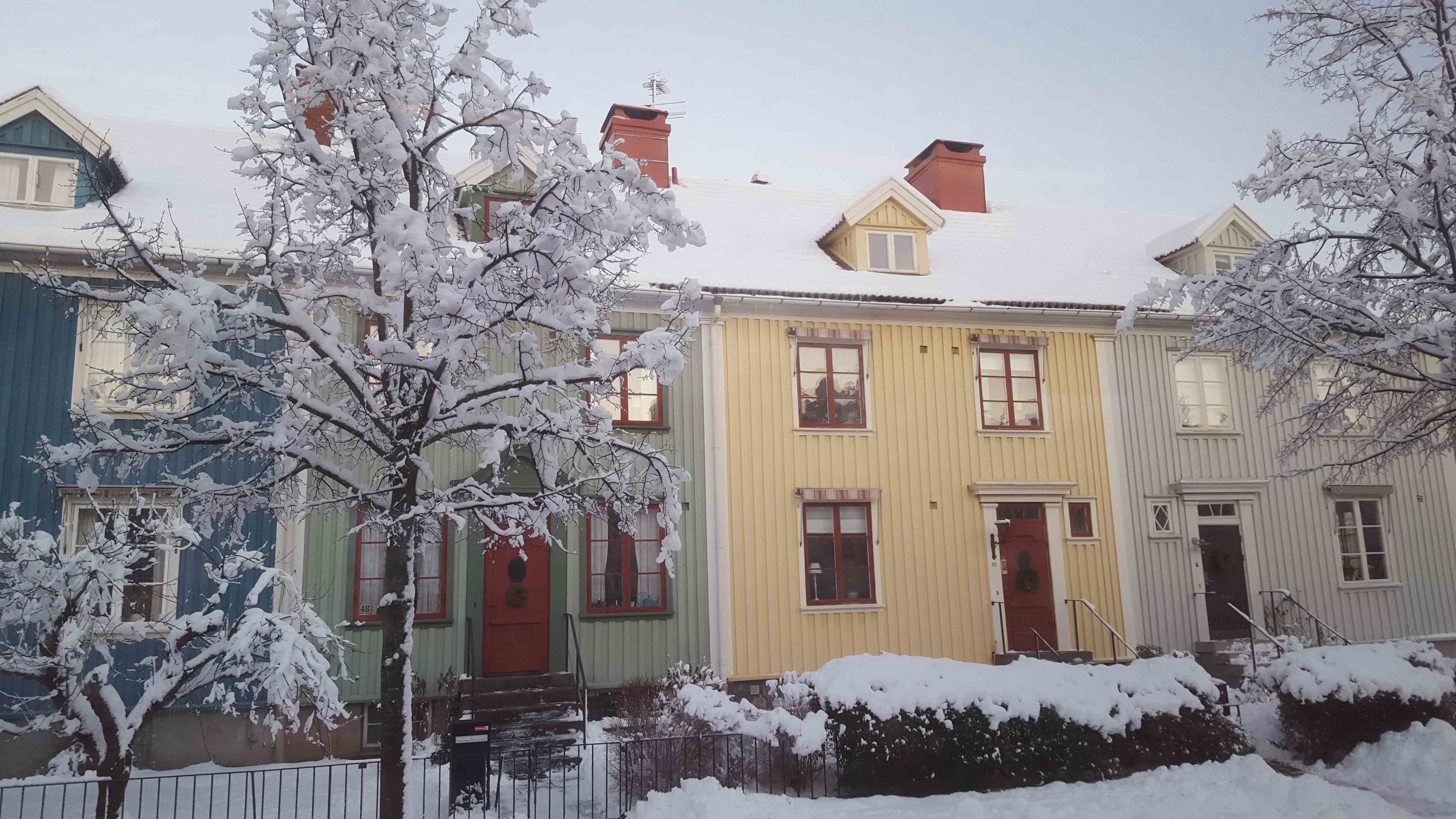
This post is very apt after Tuesday’s short trip to snowy Sweden. In a quintessentially English cobbled street, just a st20160115_115533one’s throw from the River Medway, sits the 16th century Upnor Castle, near Rochester. But far more intriguing is this red house that shrinks somewhat self-consciously behind trees and bushes at the opposite end of the lane. But ha! It can’t hide from me! In typical Scandinavian-style, it’s a looker, incredibly striking in perfect red and white simplicity. There’s something playful, childish and unfussy here: the deliberately assymmetric windows flout the rules, and the defiant red looks sensational against the sky, especially on a cold winter’s day in sunny England.

Sweden.(Gothenburg, Sweden, taken this week after a blizzard)