Cityscape Ceramics

Featured

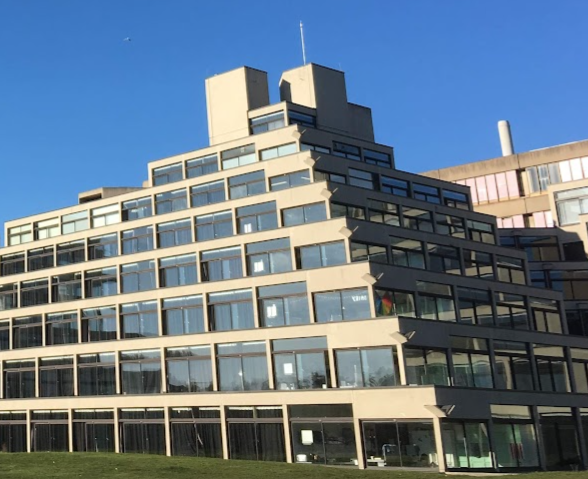
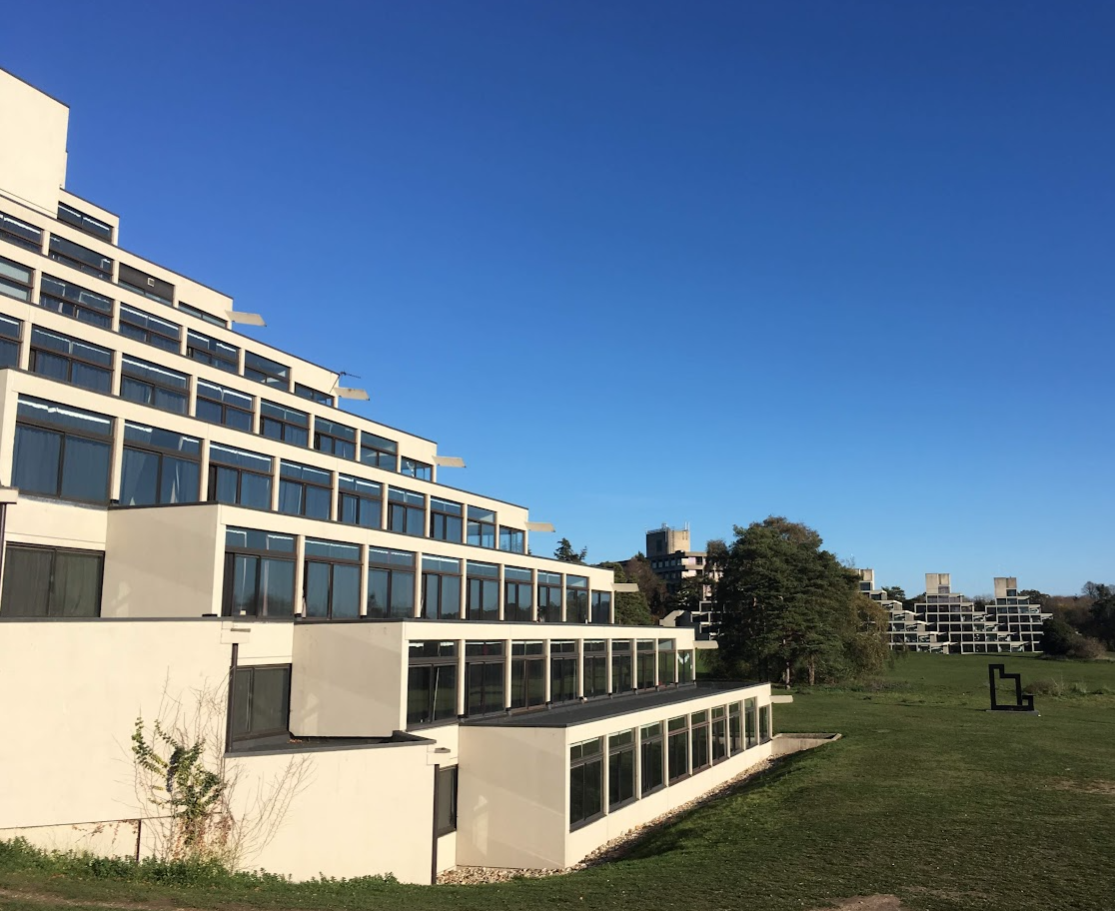
Open House events are a great opportunity to discover the work of local artists. This is where I came across Emma Johnson, a Brighton-based ceramicist and designer who works with clay and wood to create architecture-inspired ceramic goods. Her work harks back to the concrete buildings and tower blocks that we refer to as brutalist architecture. Post-war Britain was on a mission to reconstruct its urban centres and swathes of brutalist, low-cost social housing and municipal buildings were erected in the 1950s to meet demand. Prominent examples of the brutalist movement include the concrete tower blocks at London’s Barbican Estate, the new Coventry Cathedral, as well as the University of East Anglia in Norwich. 

UEA pyramid, Norwich
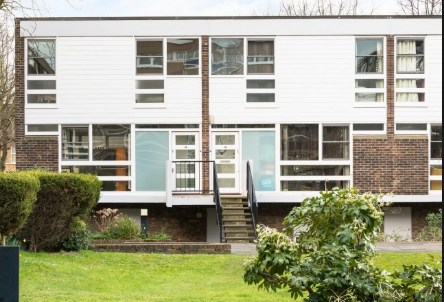
East Croydon apartments
UEA pyramids, Norwich

Although concrete buildings are rarely praised, there are some jaw-dropping examples around the world, notably in the US and in the former Eastern Bloc. It’s the layering of balconies, windows and unusual curves and angles that create the wow factor, leaving the bystander to look up in in awe. 

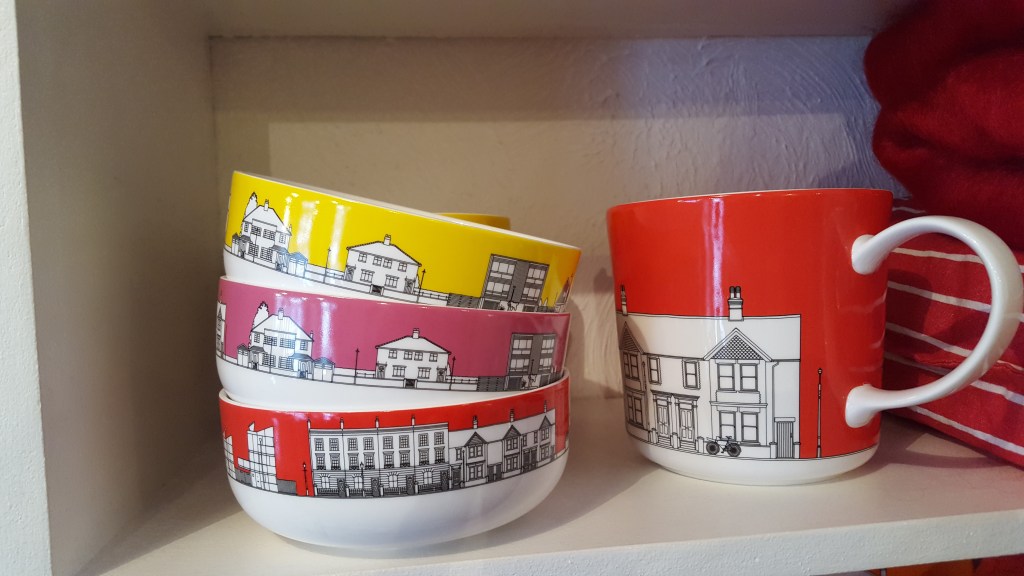
Johnson’s ceramic creations are more like architecture: thoughtful, repeated functional forms designed for everyday use in the home. They are minimalist, elegant, and satisfying to hold and look great stacked up like miniature tower blocks. The colours are also based on the trends of the time.

I’ve been an avid admirer of Johnson’s work and always look out for her updates on instagram.

Useful links for further information below:

Instagram: https://www.instagram.com/emmajohnsonceramics/?hl=en
Youtube: https://www.youtube.com/watch?v=In-W9IruQ9Y

Typically British

Image

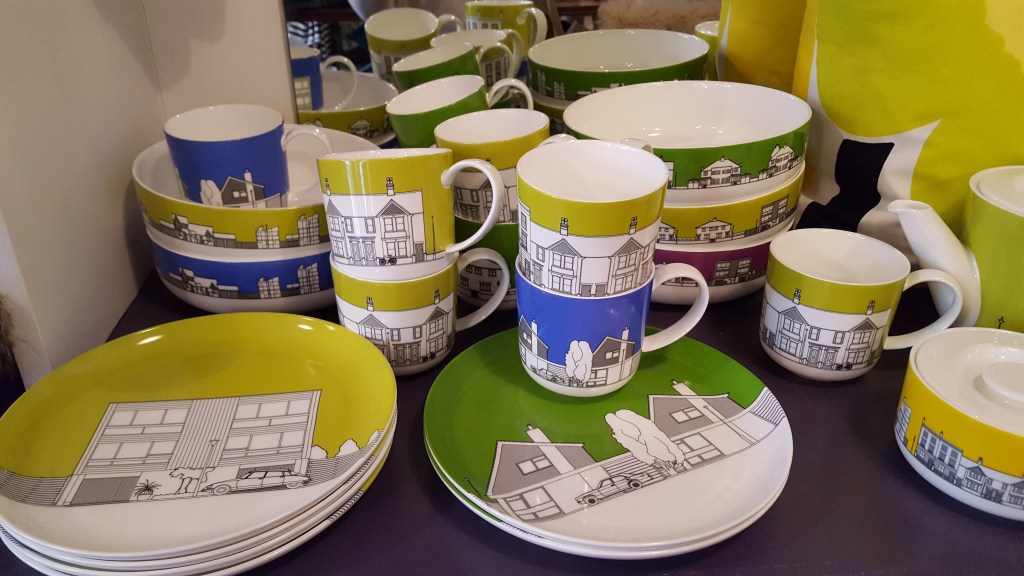
Like plates? Love typically British houses? Then you’ll love the Eclectic Avenue range by People Will Always Need Plates: https://www.peoplewillalwaysneedplates.co.uk/

Not only do I love the fact that they christened themselves after the popular BT ads starring Maureen Lipman, but they included one of my favourite eras of British house construction in the collection. Where else can you see art deco and 1970’s houses used as a decorative theme? I spotted this fun crockery set in an independent shop in Lewes and couldn’t leave without getting a couple of items from the collection. 

British homes have been at the forefront of my mind this year. I thought we were getting closer to the completion date on our first seaside home, a 1960’s bungalow in Worthing. As fate would have it, the chain faltered just as some very quirky homes came onto the market. If all goes to plan, we’ll soon be the proud owners of a 1960’s Span-style terraced house instead. Many towns have similar-looking estates based on the same design principles and the “Span house” has its place in our everyday architectural history.

screen-shot-2016-10-02-at-21-22-44

The Span house (above) takes its rightful place in Eclectic Avenue

Asymmetric and Danish

Asymetric and Danish

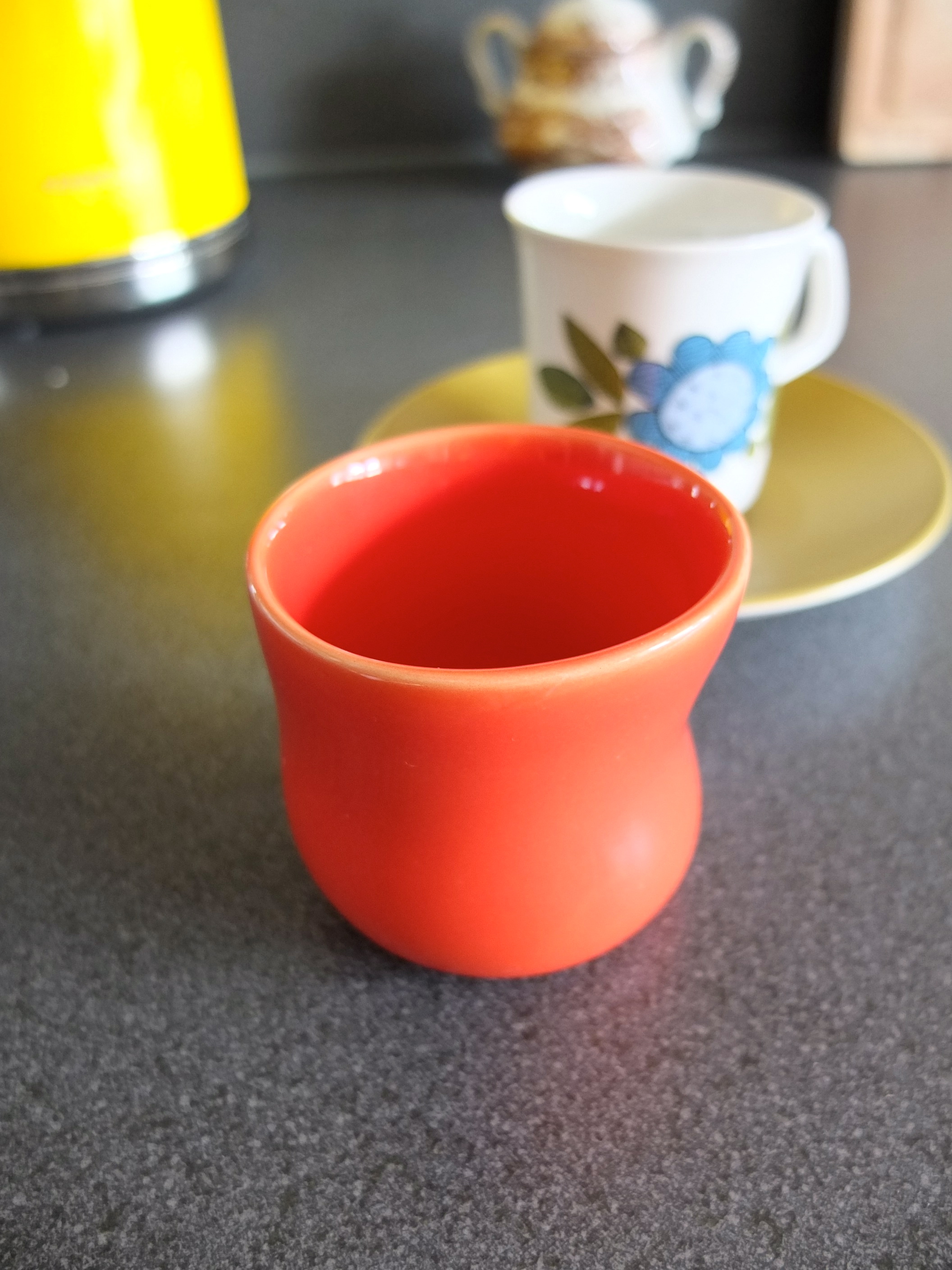
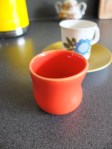
Various trips abroad later and I am getting a small collection of odds and ends for the house that come from all over. This is one of them.  This “mano cup” is one of the recent creations by the Danish pottery firm, Kähler, which claims to be “at the cutting edge of Danish ceramic art for more than one hundred years.” I just like the way it looks and feels. It’s that simple.

See:  http://www.kahlerdesign.com