Denge Sound Mirrors

Featured

Hidden away in a former sand and gravel pit-turned nature reserve
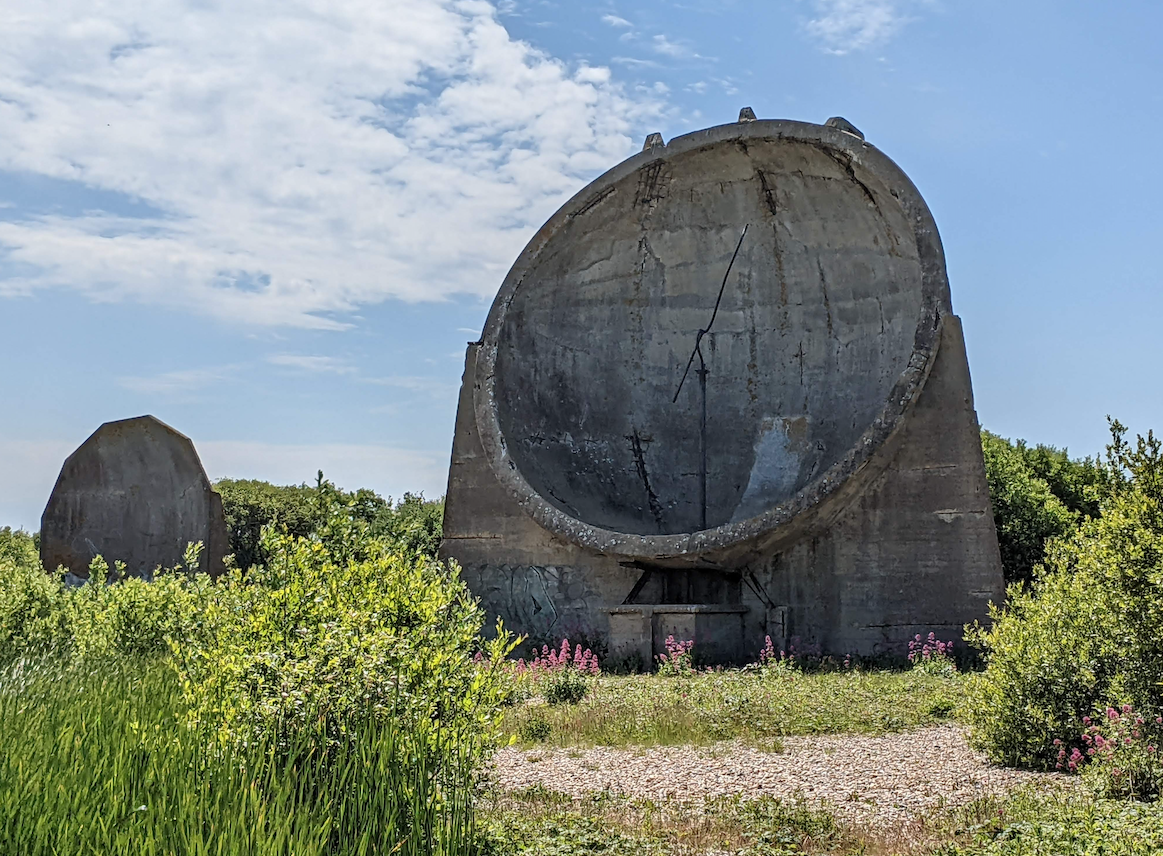
The Denge Sound Mirrors (also known as the Acoustic Mirrors or Listening Ears) are actually three concrete structures in total that vary in size from 20 to 200 feet.

I owe this post to British comedian Vic Reeves (real name Jim Moir) who shared one of his favourite walks on BBC Four earlier this year. I have to sit up and pay close attention when he’s on TV because his sense of humour takes you on quite the cerebral journey so I knew his walk would offer more than the usual birds, bees and Kent coastal path. As expected, he turned his back on the idyllic sandy coastline and ventured inland, behind rows of bungalows, down an alley, then under a small underpass into the oasis of calm that is Laden Pits nature reserve. Venture in and walk to the end of the pebble stone path till you reach the river bank. Straight ahead on a small island are 3 alien-like concrete structures seemingly looking back, looming over you. The most interesting of the 3 looks like a decaying satellite antenna for secret communication with extra terrestrials! Certainly reminiscent of Soviet architecture. The tranquility of this spot makes them all the more eerie and intimidating. I’m glad I wasn’t alone.

The structures were designed to function together as an early warning system to pick up the sounds of approaching enemy aircraft from across the English Channel. Radar was invented shortly afterwards and so these novel sound mirrors became redundant and were abandoned for nature to reclaim the land at its whim.

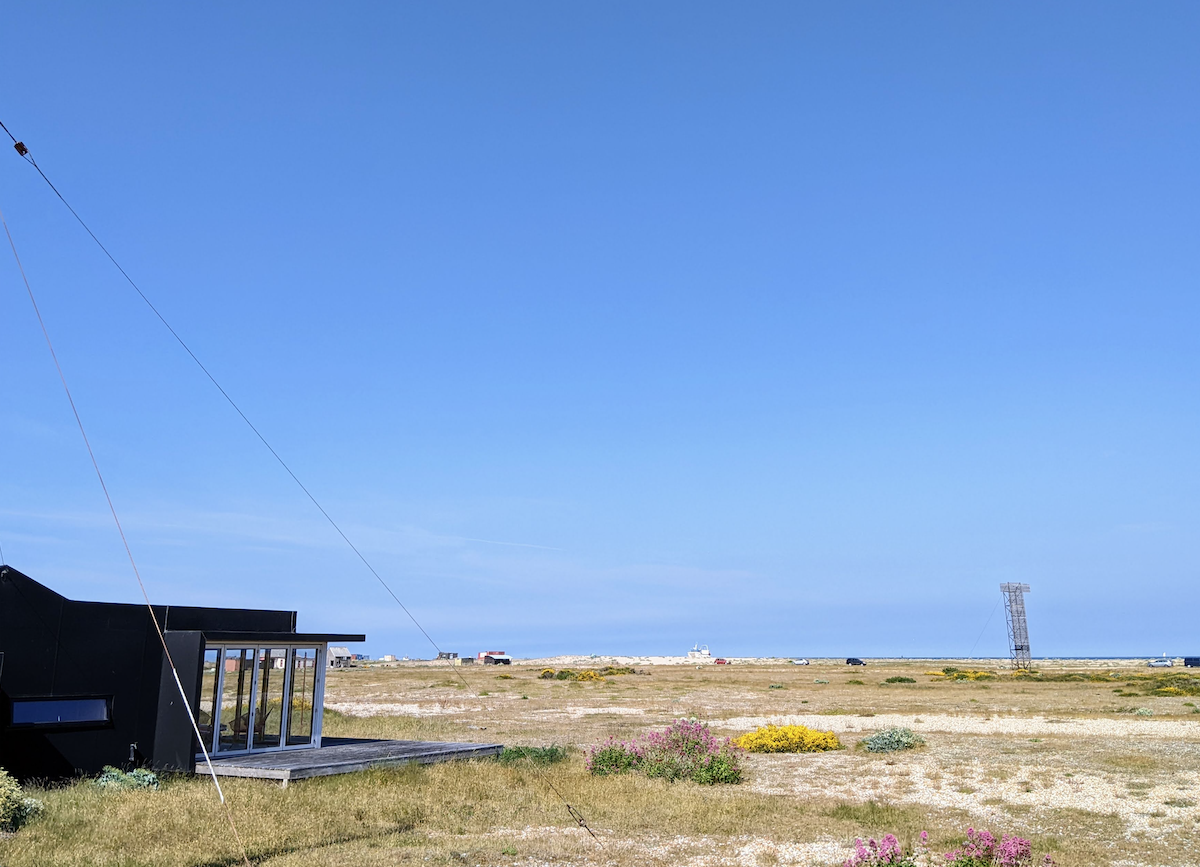
This walk returns to the coast and concludes at Dungeness with its lighthouses and conservation area. Simultaneously bleak and beautiful, this headland has become prime real estate and the new self-builds have arrived on the scene. They’ve done a good job though, it still feels very off-grid and they only add to the intrigue.
Ode to Lockdown in Worthing

Featured

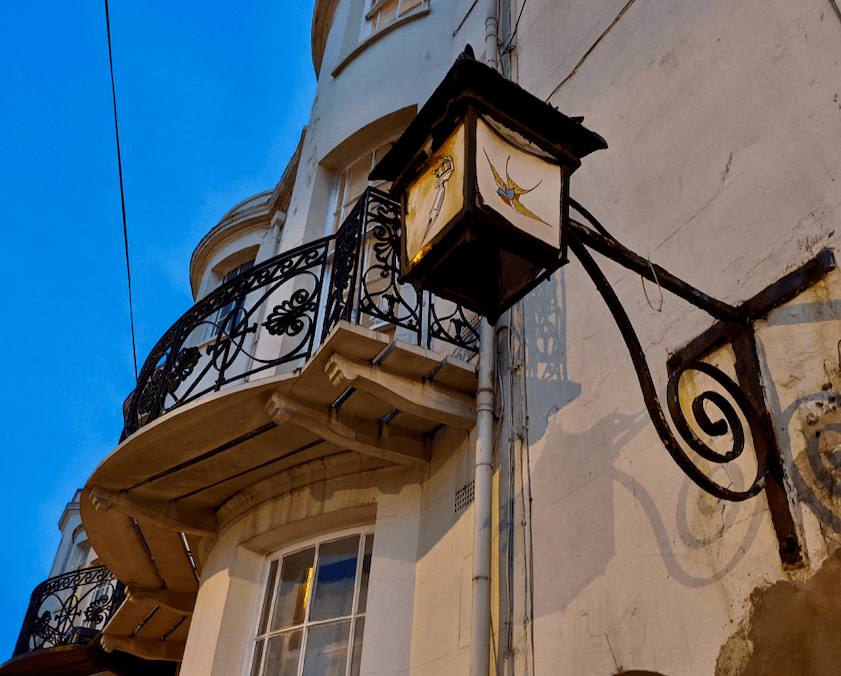
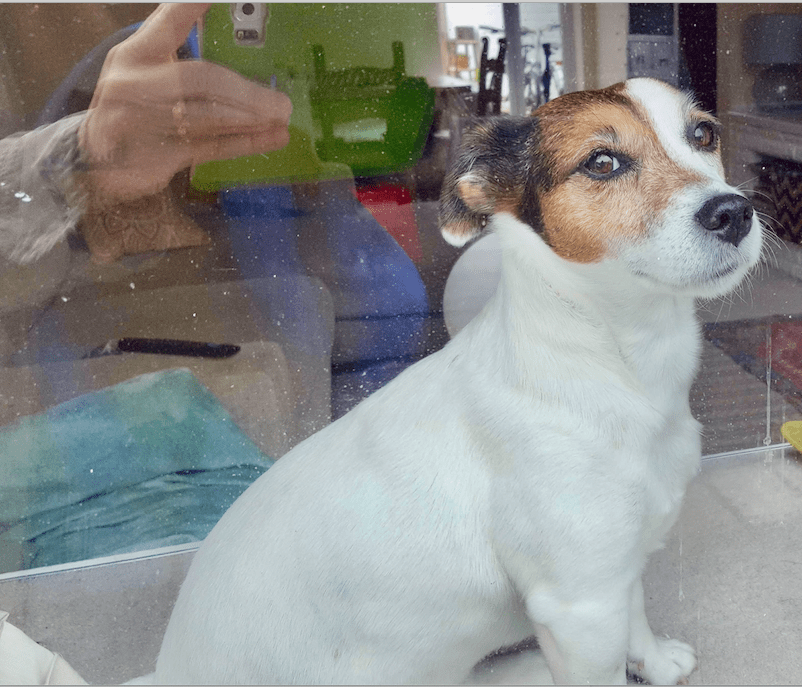
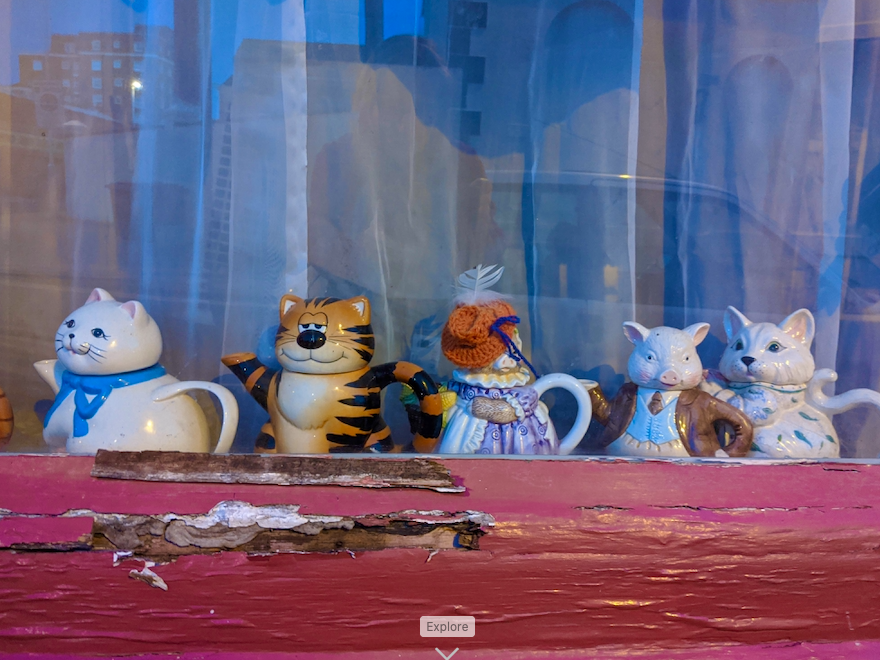
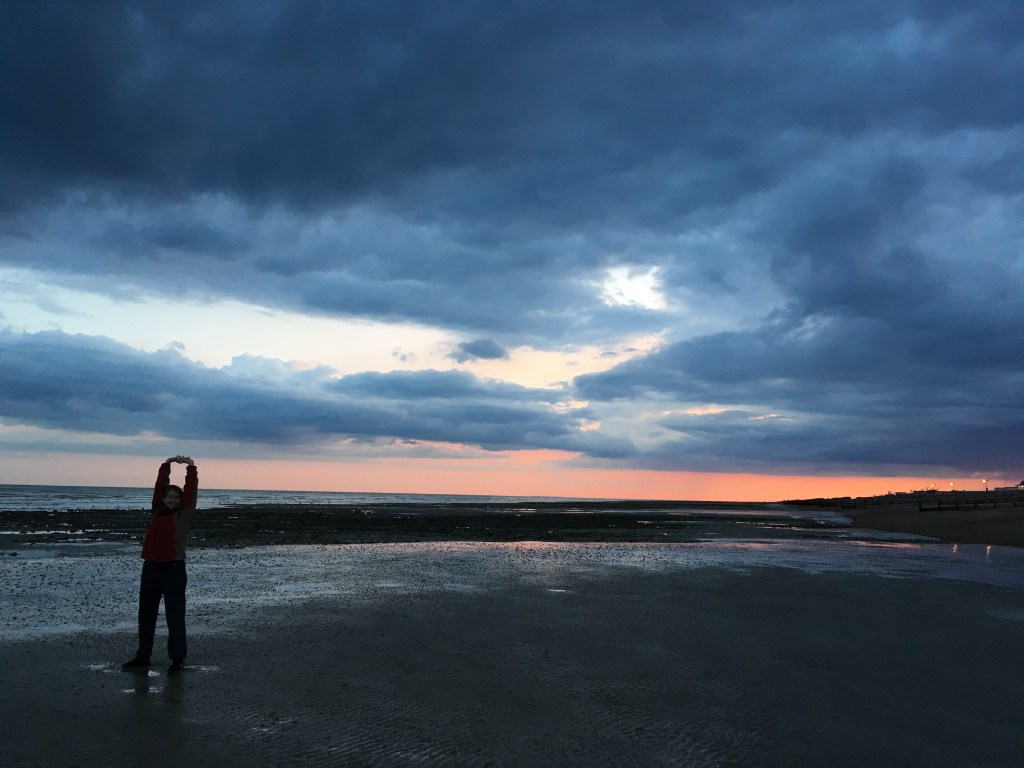
There could be several odes to Worthing on the horizon, although I hope this lockdown-inspired post marks the last of our lockdown experiences. Worthing has been home for the last 4 years and I’ve much to say about it, especially after 12 months of doing my own version of ‘the knowledge’. Around the world and up and down the country we’ve all been setting out on a grand tour of our local streets. I can’t complain, the seafront is impressive whatever the weather, but there’s much more to Worthing than this. So, what did I learn from all this roving around? Well, it’s considerably bigger and rather grand in places – not just on the seafront. Further inland it has bright and cheerful parks, eclectic architecture and many more centuries of historic curiosities than it lets on. Worthing has a fair few blue plaques to former distinguished townsfolk and near-forgotten celebrities of yesteryear. Also, a surprising number of rare but mundane old cars are dotted around, but more on that later. For now, here are a few of the town’s lesser-known sights that made me reach for my camera phone.

Various pics taken about town in 2020.

Gap Years

Fast forward 4 years and we’re in 2021. A dalliance with Instagram proved quite the distraction (still does) but here I am, ready to pick up where I left off at the end of 2016 with an evolving selection of blog post themes.

Typically British

Image

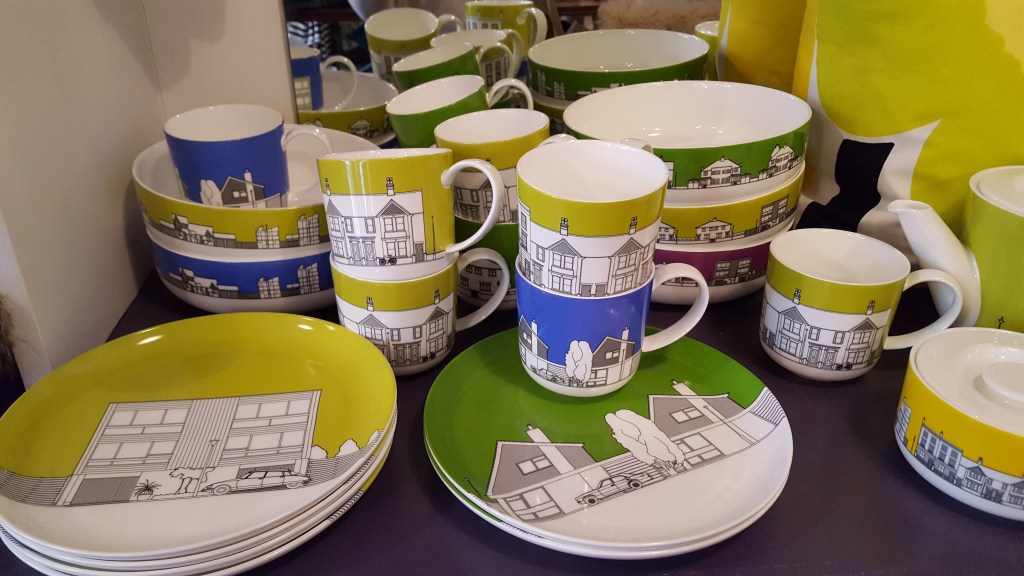
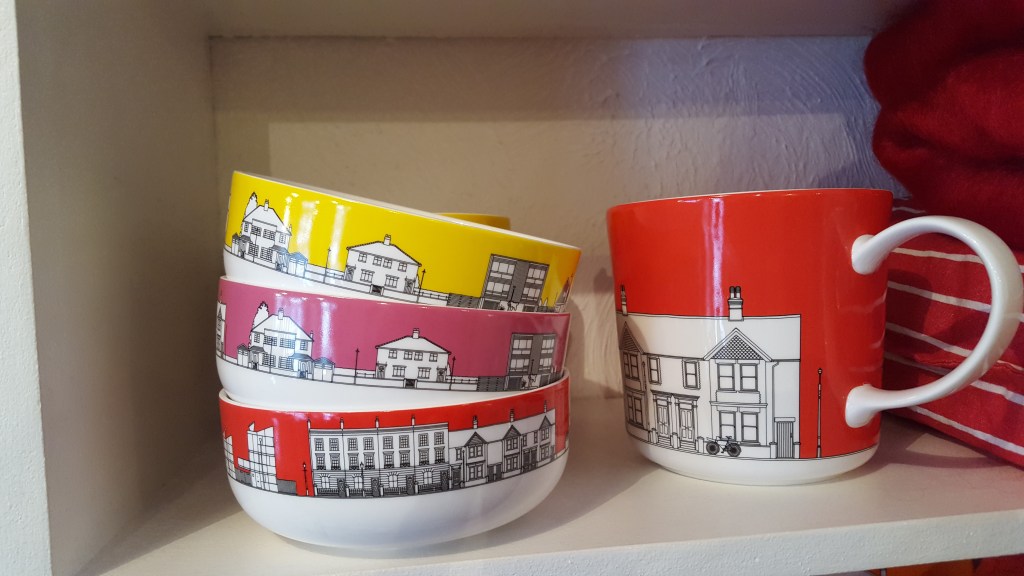
Like plates? Love typically British houses? Then you’ll love the Eclectic Avenue range by People Will Always Need Plates: https://www.peoplewillalwaysneedplates.co.uk/

Not only do I love the fact that they christened themselves after the popular BT ads starring Maureen Lipman, but they included one of my favourite eras of British house construction in the collection. Where else can you see art deco and 1970’s houses used as a decorative theme? I spotted this fun crockery set in an independent shop in Lewes and couldn’t leave without getting a couple of items from the collection. 

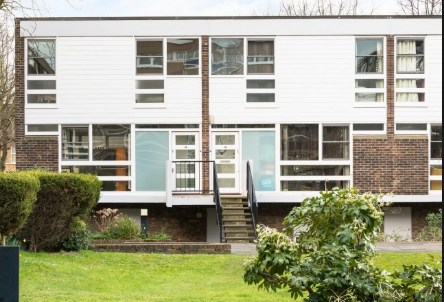
British homes have been at the forefront of my mind this year. I thought we were getting closer to the completion date on our first seaside home, a 1960’s bungalow in Worthing. As fate would have it, the chain faltered just as some very quirky homes came onto the market. If all goes to plan, we’ll soon be the proud owners of a 1960’s Span-style terraced house instead. Many towns have similar-looking estates based on the same design principles and the “Span house” has its place in our everyday architectural history.

screen-shot-2016-10-02-at-21-22-44

The Span house (above) takes its rightful place in Eclectic Avenue

Arabesque Apertures

Interior

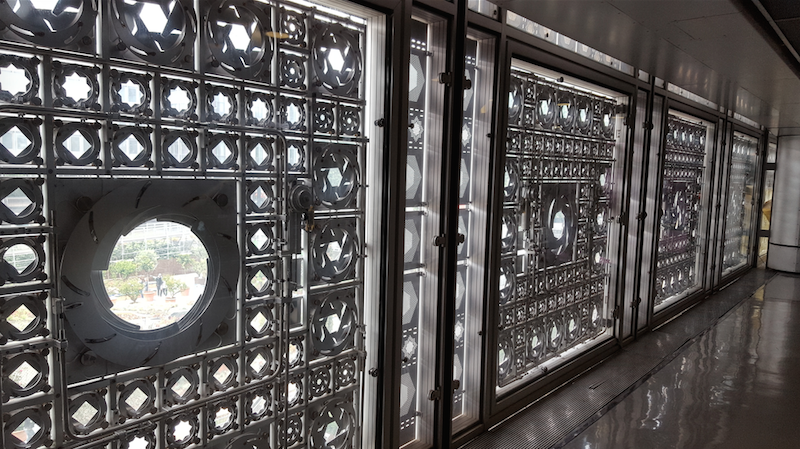
It’s a bit out on a limb, but well worth the effort to get there. You’ve never seen anything quite like the Institut du Monde Arabe in Paris. A stone’s throw from Jussieu metro station, its south facade is a showstopper. Thirty thousand metallic apertures form walls and windows that react to the sunlight all day long, dilating or contracting to let only a gentle light sift through to the inside world. It’s free to enter, so I went straight to the 9th floor restaurant and nabbed a window seat,  calmly sipping mint tea and watching the apertures whirr and mesh into position every few minutes. Shapes morphed, patterns emerged, just like a kaleidoscope. What an innovative way to recreate the beautiful arabesques that we associate with the region.

http://www.imarabe.org/preparer-ma-visite/informations-pratiques/acces

Hej hej

BOOTS close up

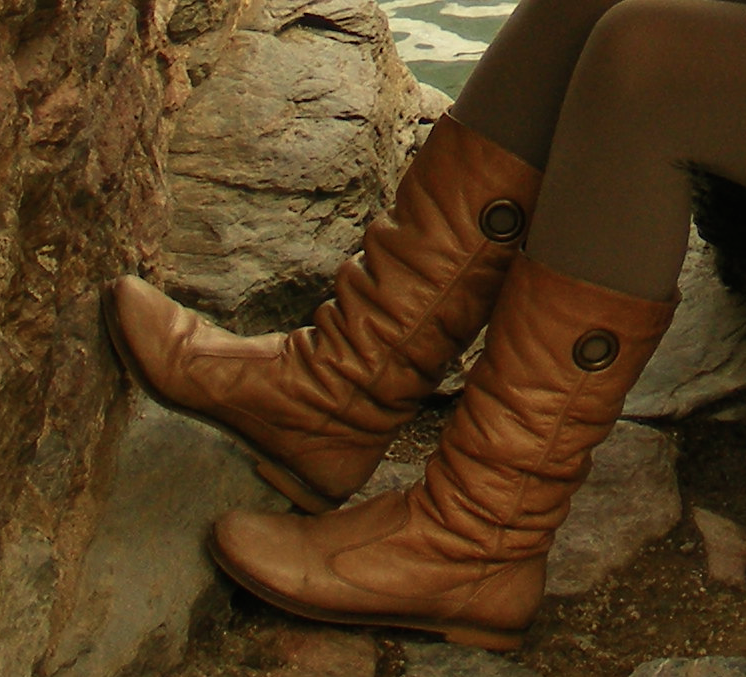
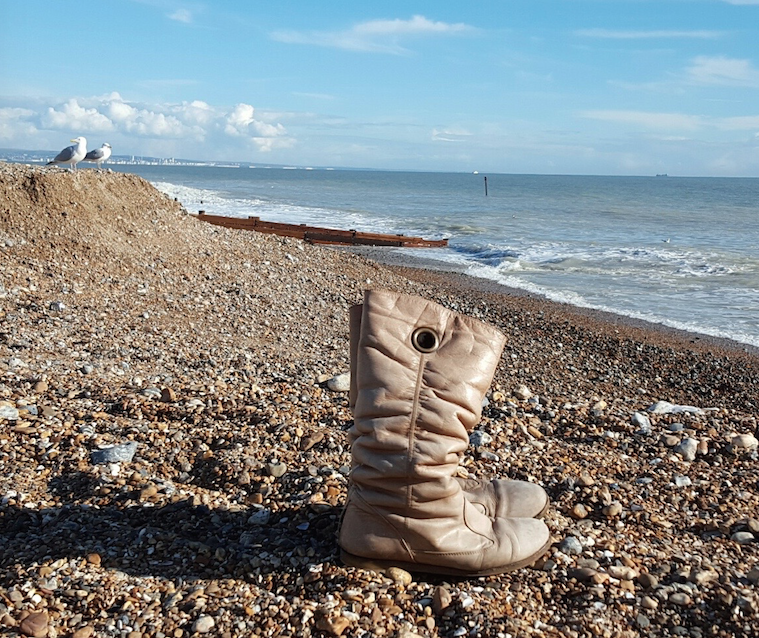
Friends and family will concur that I have spent most of the last ten years in the same wardrobe. Silly as it sounds, you grow attached to the rags you live in when you rely on them as much as I do. These ruched leather boots – from an anonymous shoe shop in the backstreets of Aalborg – have done their time over and over again and now my trademark footwear has finally burst at the seams. How fitting that they spent their last days of service in my new stomping ground: by the sea.

Boot by sea


Upnor or Upnør?

20160115_115655

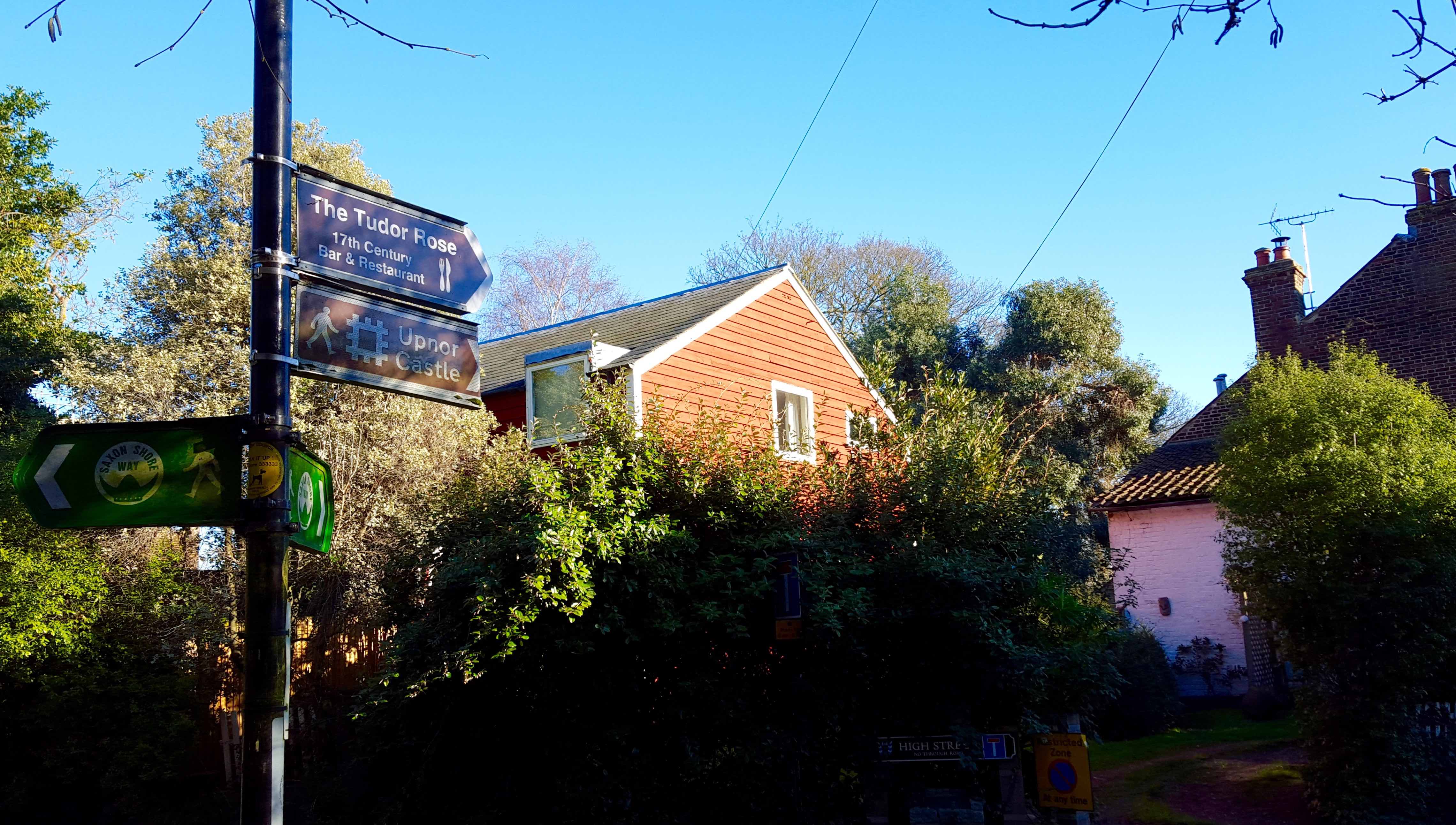
This post is very apt after Tuesday’s short trip to snowy Sweden. In a quintessentially English cobbled street, just a st20160115_115533one’s throw from the River Medway, sits the 16th century Upnor Castle, near Rochester. But far more intriguing is this red house that shrinks somewhat self-consciously behind trees and bushes at the opposite end of the lane. But ha! It can’t hide from me! In typical Scandinavian-style, it’s a looker, incredibly striking in perfect red and white simplicity. There’s something playful, childish and unfussy here: the deliberately assymmetric windows flout the rules, and the defiant red looks sensational against the sky, especially on a cold winter’s day in sunny England.

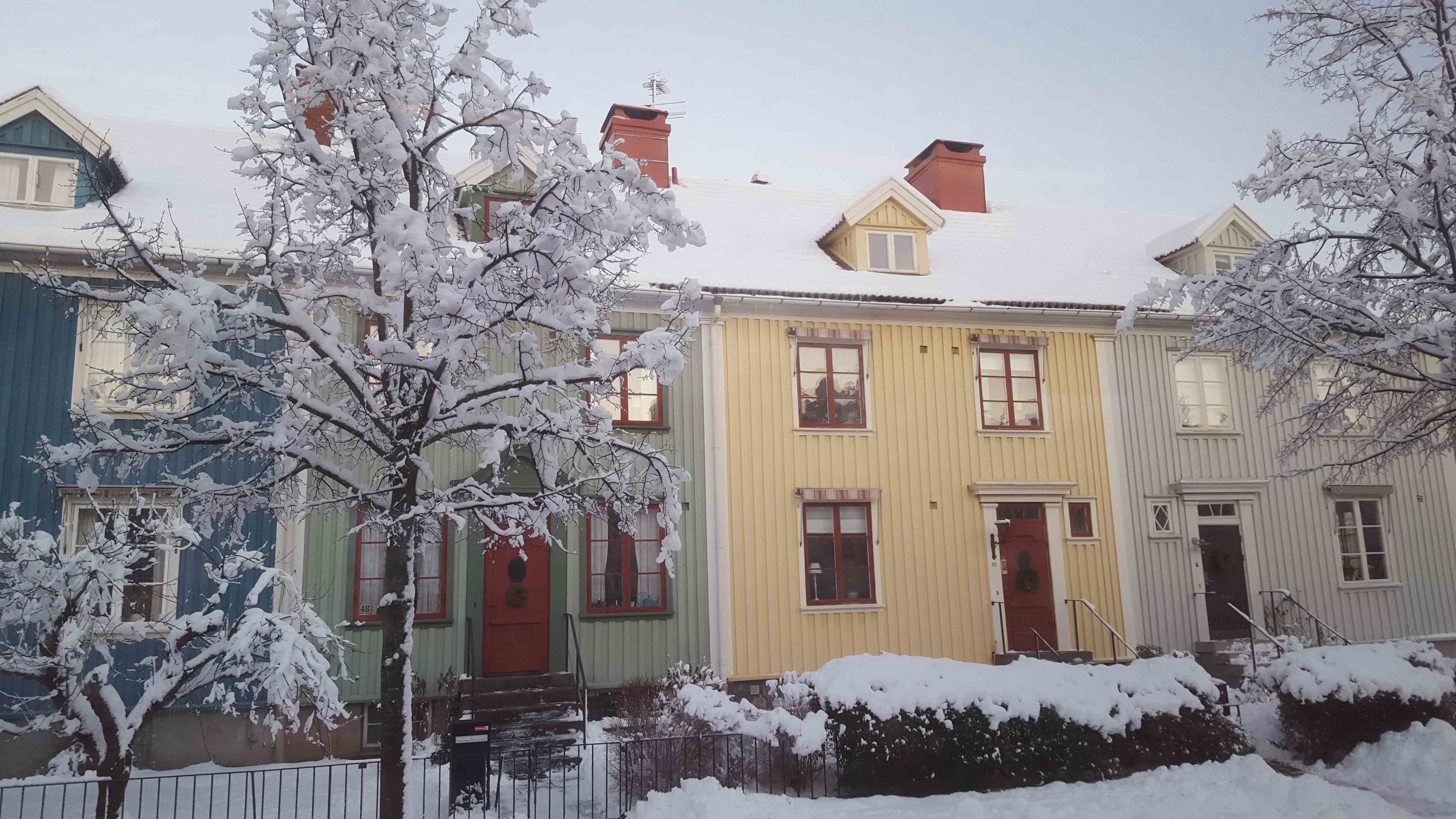
Sweden.(Gothenburg, Sweden, taken this week after a blizzard)

Seaplanes and Rochester

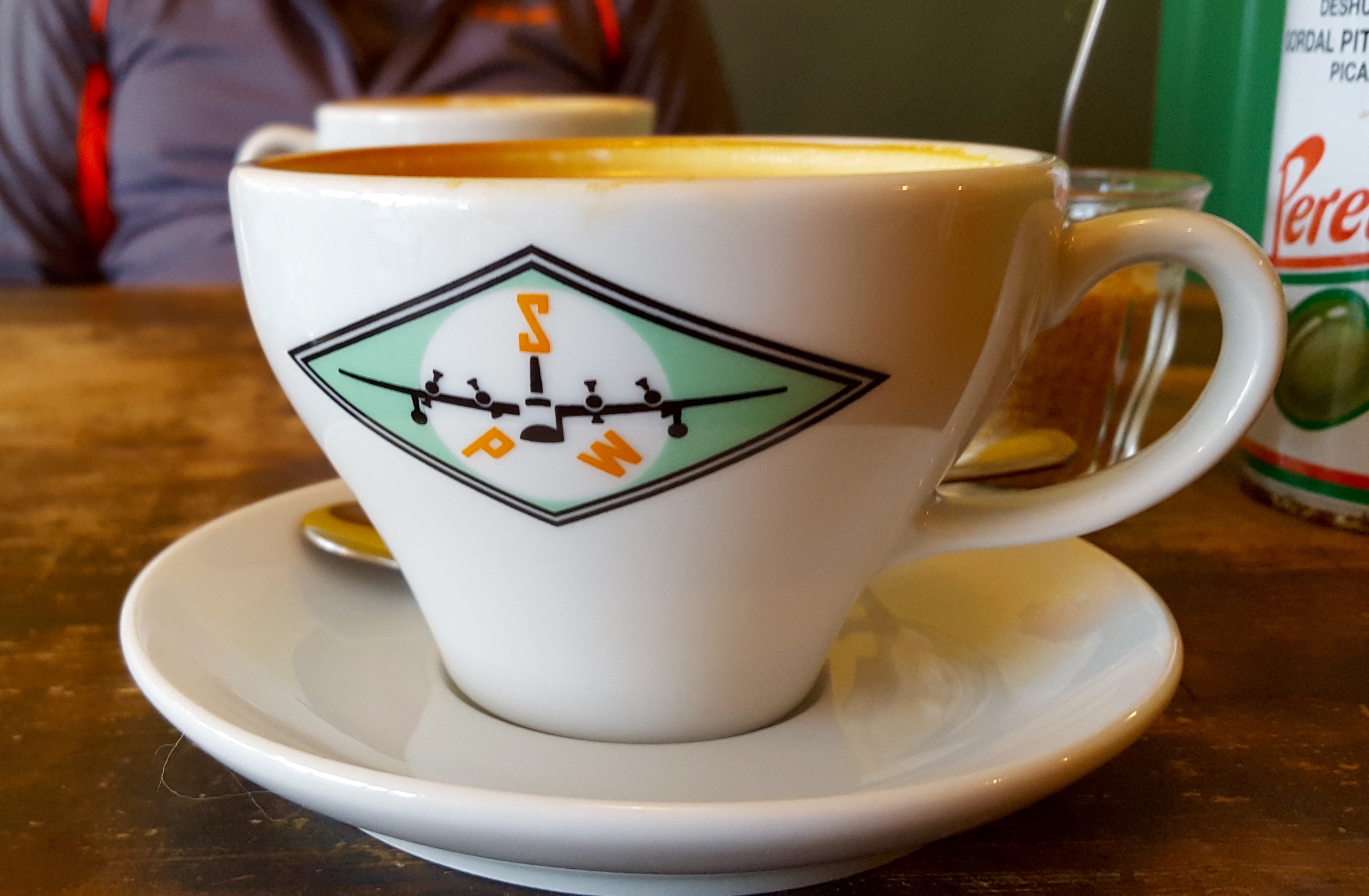
SPW.jpg

My adopted hometown continues to evolve, often with a nod to the town’s illustrious past. This time, thank God it’s not Dickens-related or twee. The new Seaplane Works (SPW) cafe took me by surprise by paying homage to the Short Brothers who established a seaplane and flying boat factory here in the early 20th Century. Although the factory is long gone, well-known local residents have resurrected this neglected aspect of Rochester’s past, in an extremely stylish manner-just look at their simple and elegant logo. And in case you’re wondering, the coffee’s great too.

2022 update: sad to report that Seaplane Works closed during lockdown.

First Encounters…

IMG_0498.jpg

In the eighties, US junk food hit my radar. In the coolest red box with typical US bold type, I loved the contents and the whole bombastic packaging. Colette, an old school friend – who looked like Pocahontas – offered me a small handful of these crispy, cheesy pillows and I was hooked. Her American dad then worked at RAF Mildenhall and could buy exotic, imported junk food that only now we find over here in novelty American candy stores. Except Cheezits which are still hard to come by. Just as well, I guess!